Short answer: quality control for fishing sinkers comes down to eight checks: weight, dimensions, size marking, hardware (eyes, rings, wires), surface, finish, packing and labels, and cartons. Weight is the one that matters most, because weight is what the angler pays for. At Fides Fishing, every batch is weight-checked on a digital scale and key dimensions are measured with calipers before packing. This guide shows what each check covers, how to write it into your order, and how to sample a shipment. Comparing samples from a new supplier? Use our buyer’s checklist for sinker samples.
What to check, and how
| Check | What a good sinker looks like | Tool |
|---|---|---|
| Weight | Within the tolerance on your order, for every size | Digital scale |
| Dimensions | Length, diameter, line hole and eye match the approved sample | Calipers |
| Size marking | Stamped size is correct and readable | Visual |
| Hardware | Eyes and rings firmly set; wire legs straight and capped | Visual, hand pull |
| Surface | No holes, cracks, missing edges or sharp seams | Visual |
| Finish | Even vinyl coat in the right color per size (if coated) | Visual, color reference |
| Packing and labels | Right count per bag, scannable barcode, required warnings | Count, barcode scanner |
| Cartons | Correct marks, safe weight, intact and strapped | Scale, visual |
1. Weight
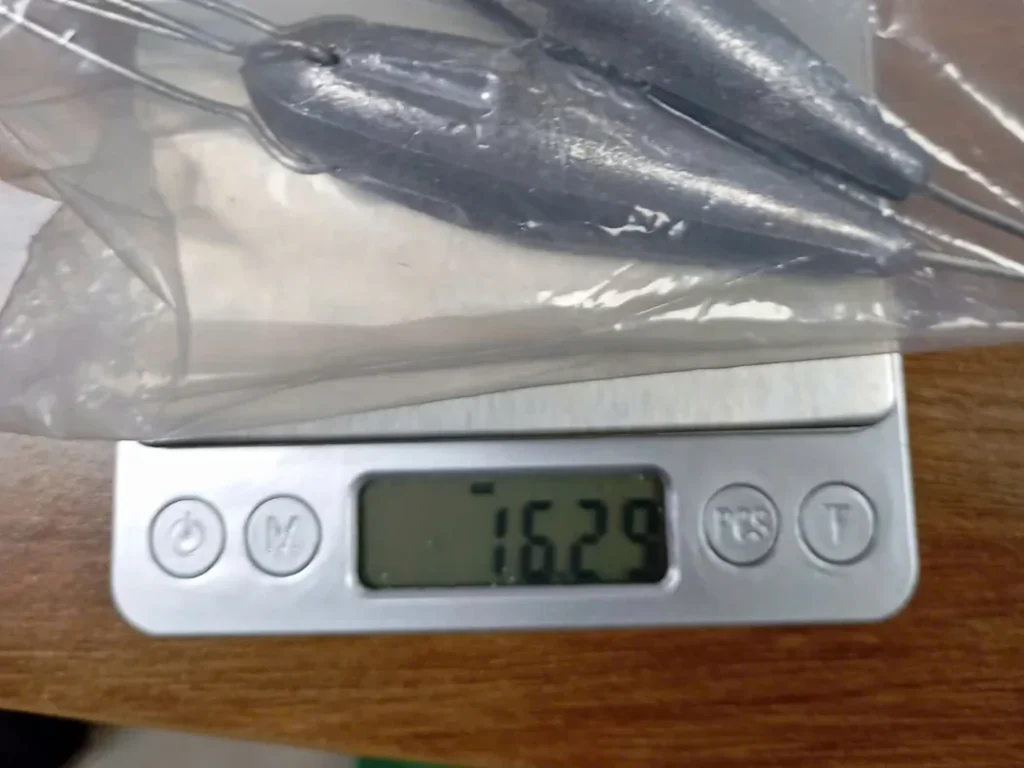
A sinker sold as 2 oz should weigh 2 oz. In casting, weight can drift for a few reasons: a pour that does not fully fill the mold, extra lead left on the seam, or a worn mold. That is why weight is checked batch by batch, not just on the first sample.
How to check it:
- Use a digital scale that reads finer than your tolerance. For small sinkers, a scale that reads to 0.1 g is the right tool; for heavy sinkers and dive weights, a bench scale is enough.
- Weigh single pieces, not just a bag. A bag can hit its total weight while individual pieces are light and heavy.
- Check every size in the order, not only the biggest seller.
Write the tolerance into your purchase order, for example as plus or minus a percentage or a fixed number of grams per size, so both sides check against the same number. For conversions between ounces and grams, use our sinker weight chart.
2. Dimensions
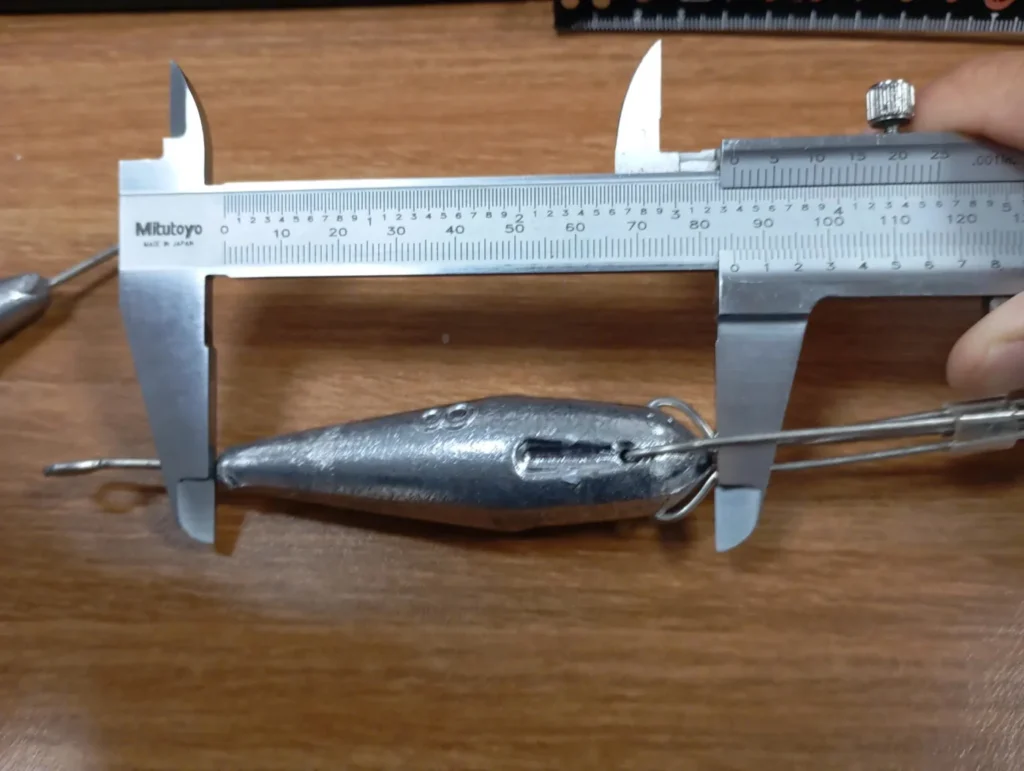
Two sinkers can weigh the same and still be wrong for your customers. The dimensions that cause returns are:
- Eye inside diameter. It has to fit the snaps and swivels your customers use.
- Line hole on egg, bullet and coin sinkers. Too small and the line will not pass; rough edges can nick the line.
- Length and diameter on torpedo, sputnik and drop shot sinkers, which anglers choose partly by profile.
- Slot width on dive weights, so they thread onto standard weight belts.
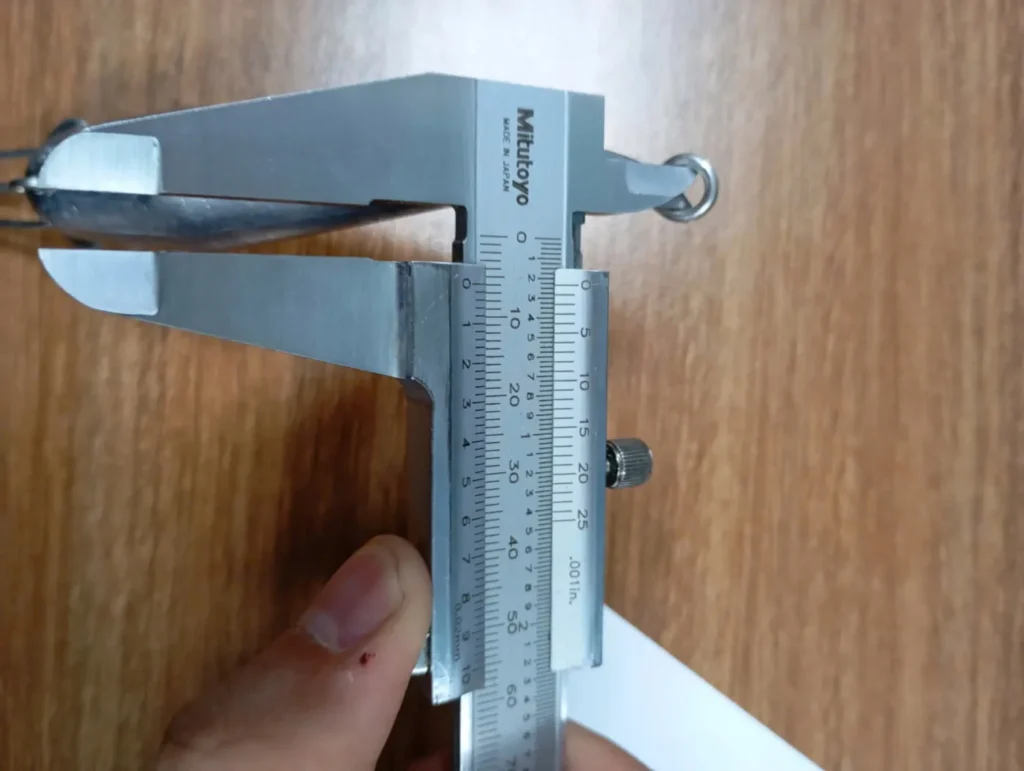
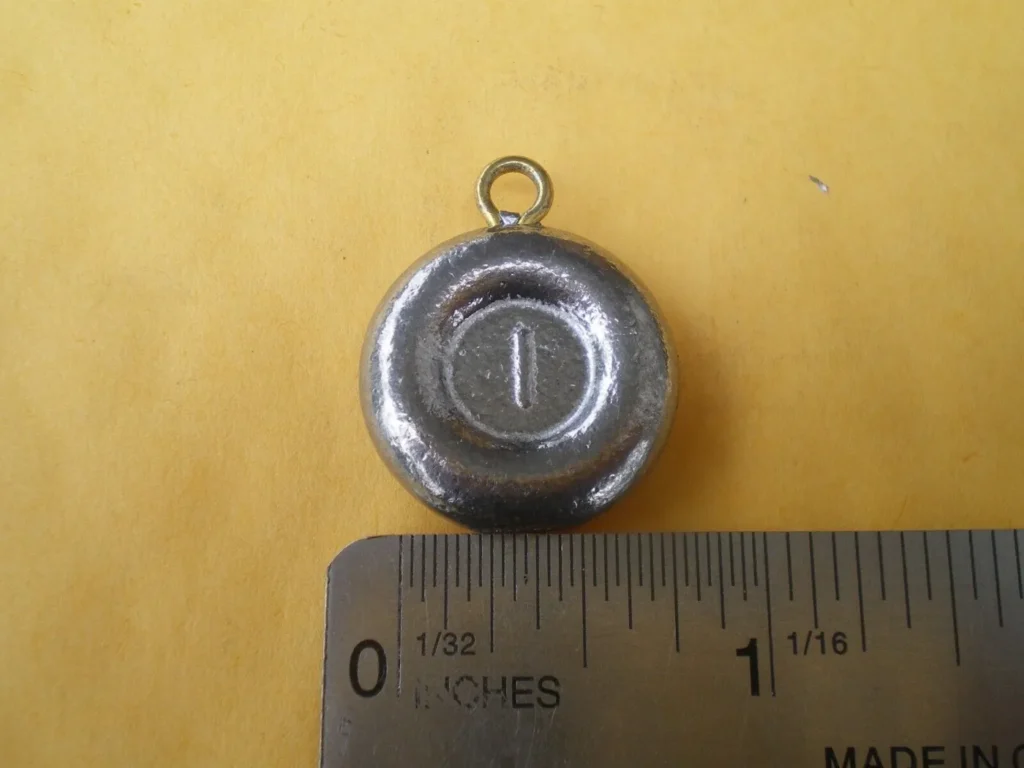
These are measured with calipers against the approved sample.
3. Size marking
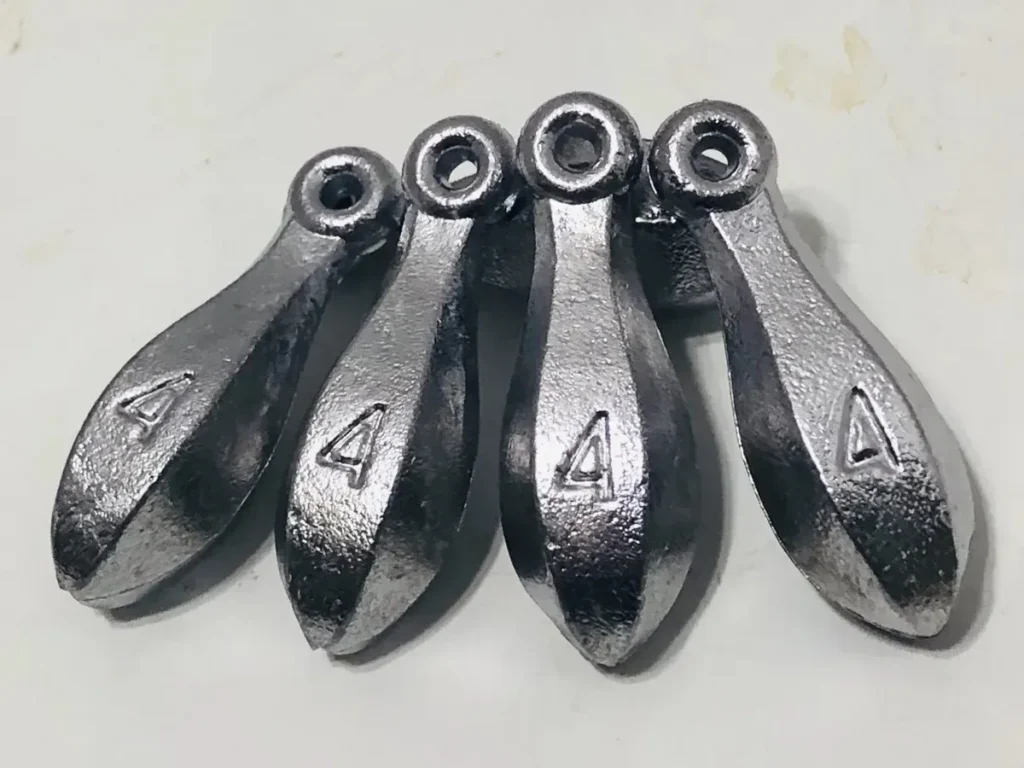
We stamp the size on every sinker. The check is simple: the stamped size matches the actual weight, and it is readable. A sinker stamped 4 oz that weighs 3 oz is worse than an unmarked one, because it misleads the angler.
4. Hardware: eyes, rings and wires
For sinkers with hardware, check that eyes and rings are firmly set in the lead and do not turn or pull out by hand, and that sputnik wire legs are straight and fitted with their protective caps. If your market has heavy-use customers, such as surf or offshore anglers, agree a pull test in your order.
5. Surface
Look for casting defects: small holes (porosity), cracks, missing corners and sharp seams along the mold line. A sharp seam on a sinker can cut line or fingers. Raw lead is naturally dull grey and can darken over time; that is normal and not a defect.
6. Finish (vinyl-dipped sinkers)
If you order vinyl-dipped sinkers, check that the coating covers the whole sinker, has no bare spots or drips, and that each size has the right color. Agree a color reference with your supplier before production. More on coated sinkers in coated lead weights.
7. Packing and labels
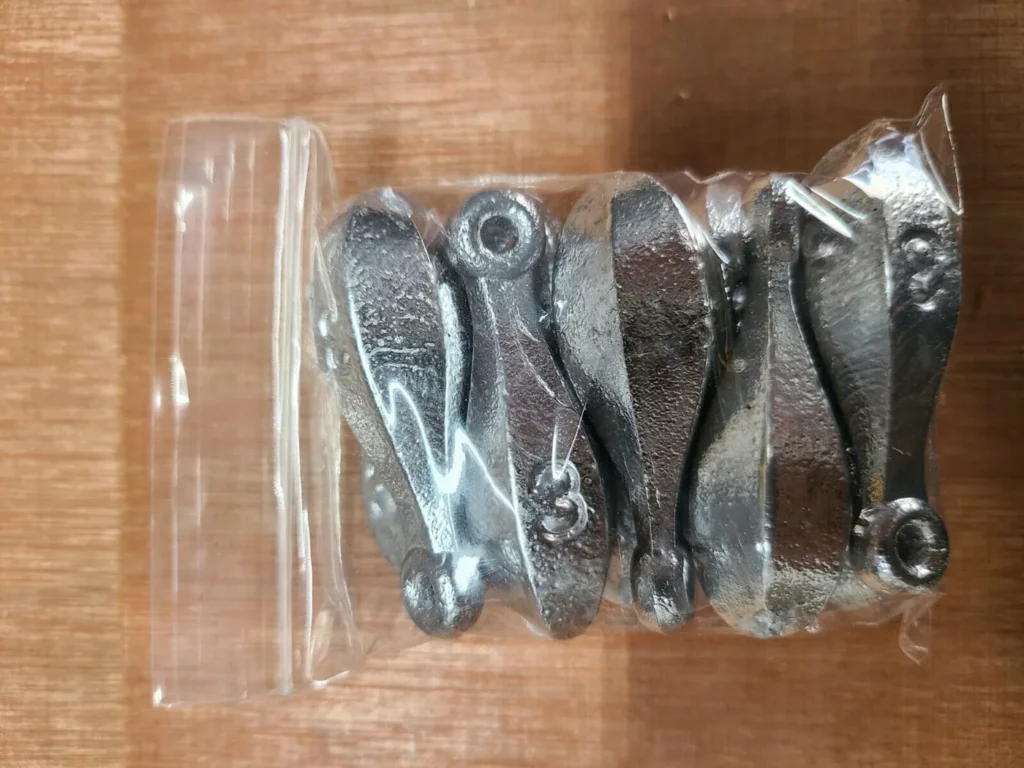
Packing errors cost as much as casting errors, because they reach the shelf. Check:
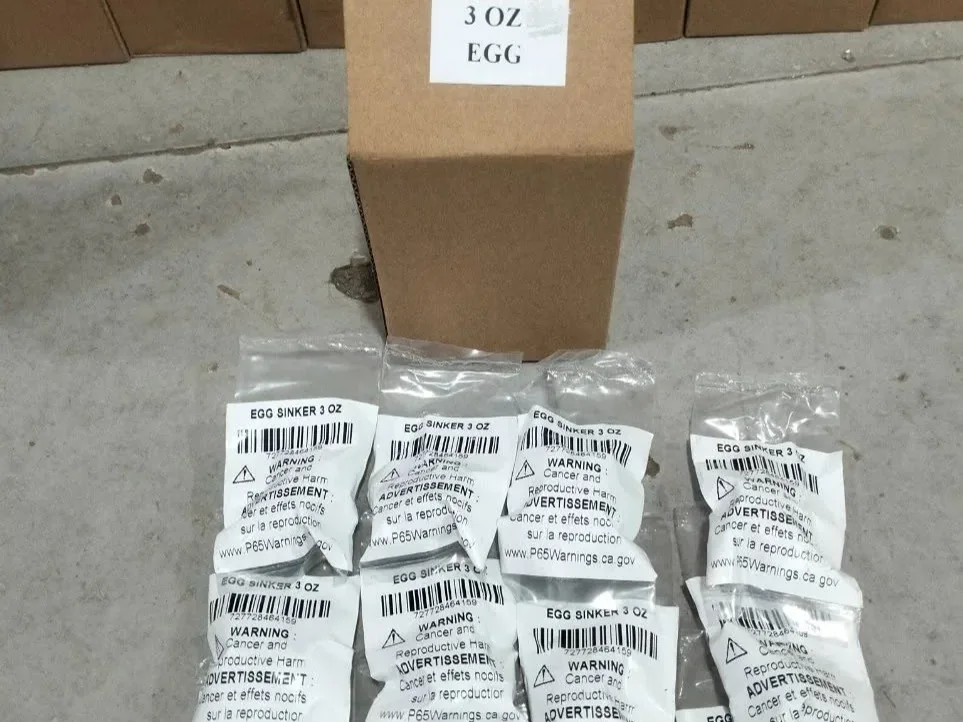
- Count per pack. Weigh a sample of packs; a short pack shows up as a light bag.
- No mixed sizes in a bag or carton.
- Barcodes scan and match the SKU.
- Warnings. Packs sold in California need a Prop 65 lead warning; other markets have their own rules on lead tackle.
8. Cartons and loading
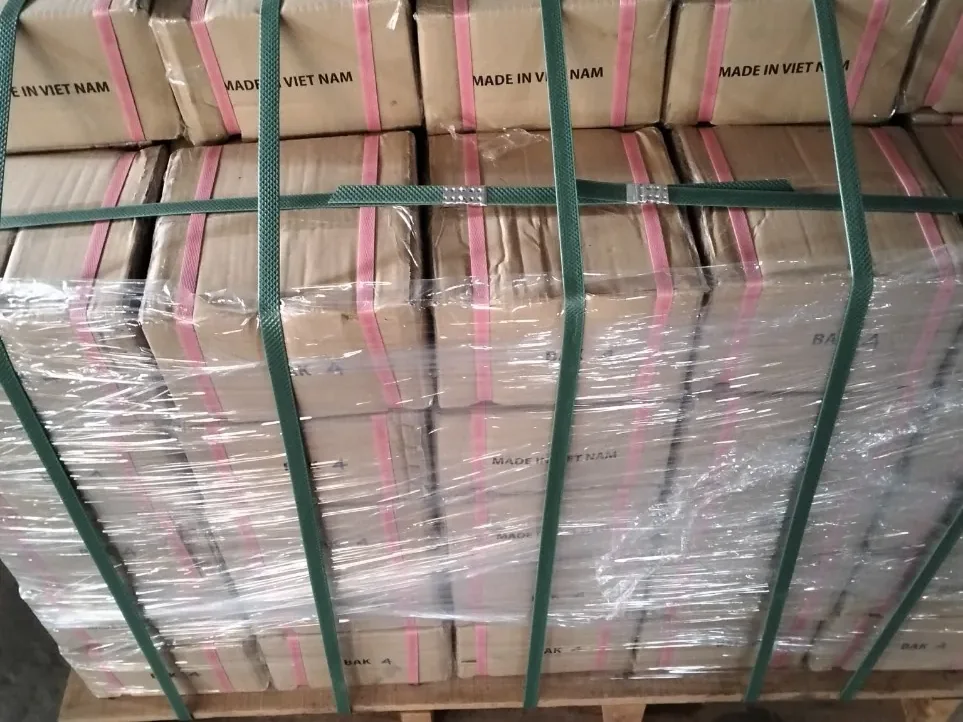
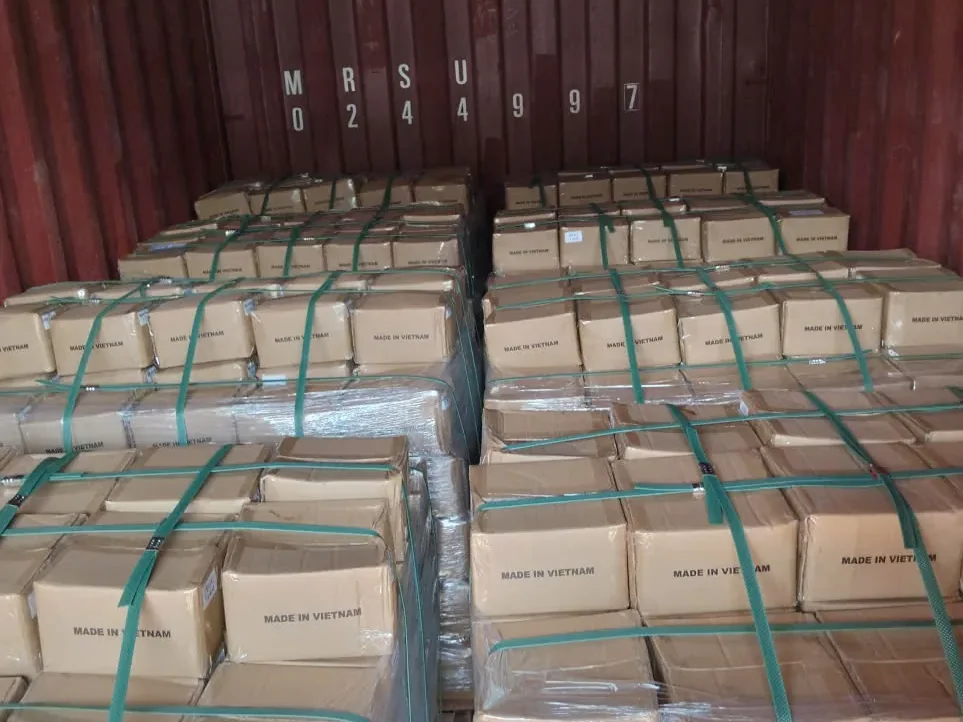
Lead is heavy, so cartons need to be strong and packed to a weight that handlers can move safely. Check carton marks (SKU, size, quantity, carton number), that cartons are intact, and that pallets are strapped and wrapped before the container is closed.
How many pieces to check
You cannot weigh every sinker in a 3,000 lb order, so inspections check a sample. Many buyers use the sampling tables in ISO 2859-1 (often called AQL sampling): the lot size sets how many pieces are checked, and the AQL you choose sets how many defects are allowed before the lot fails. Buyers often set a stricter level for defects that matter to the angler, such as wrong weight or a loose eye, and a looser level for cosmetic marks. Agree the sampling plan before production, so the inspection is not a surprise to either side.
What to put in your purchase order
- Weight per size and the tolerance, in grams or ounces.
- The approved sample as the reference for shape, dimensions and marking.
- Eye size or the snap it must fit, and any pull test.
- Finish and color per size, if coated.
- Count per pack, barcodes and the warnings each market needs.
- Carton marks, maximum carton weight and pallet requirements.
- The sampling plan and who inspects: you, the factory, or a third-party inspection company.
Frequently asked questions
How do you check sinker weight at the factory?
Every batch is weighed on a digital scale before packing, and key dimensions are measured with calipers. Sizes are stamped on each sinker, so the stamp can be checked against the weight.
Can I send my own inspector?
Yes. You or a third-party inspection company can inspect before shipment. Tell us when you order so we can plan the inspection date before loading.
Why do some sinkers in a bag weigh more than others?
Small variations come from casting. The tolerance in your order sets how much variation is acceptable, and batch weight checks keep each size within it.
Does the coating change the weight?
Vinyl adds a little weight. If you order coated sinkers, say whether the stated weight is before or after coating.
See how it is made
Every check above happens at a step in production at the Fides Fishing factory. To see where, read how fishing sinkers are made. To start an order, use the Request a Quote form.