Short answer: China still has the largest base of sinker factories and the widest choice of ready-made shapes. Vietnam is the main alternative for buyers who want to lower US duty exposure and spread supply risk: as of October 2026, many Chinese-origin goods entering the US still carry the older China-specific Section 301 duties, which do not apply to Vietnamese-origin goods. For Canada, Mexico, Australia and New Zealand, Vietnam’s membership of the CPTPP trade agreement can also help. Lead times are similar: samples in about 10 days and production in about 30 days at a Vietnamese factory such as Fides Fishing.
Tariff rules change often. The duty notes below reflect our understanding as of October 2026 and are not legal or customs advice. Always confirm the rate for your exact HTS code with a licensed customs broker before ordering.
Vietnam vs China at a glance
| Factor | Vietnam | China |
|---|---|---|
| US import duties | Fewer duty layers on Vietnamese-origin goods | Older China-specific Section 301 duties apply to many goods, on top of newer tariffs |
| Canada, Mexico, Australia, NZ | CPTPP member; preferential rates may apply | Not a CPTPP member |
| Number of suppliers | Smaller, more specialized base | Very large base, many trading companies |
| Ready-made shapes | Common shapes in stock; custom shapes made in-house | Very wide catalogs |
| Samples / production | About 10 days / about 30 days (Fides Fishing) | Often similar |
| Communication | Depends on supplier; Fides has an English-speaking export team | Depends on supplier |
1. Import duties
For US buyers, duty is the biggest difference. In 2026 the US moved from emergency (IEEPA) tariffs to tariffs under other laws, and the picture keeps shifting. One point has stayed constant: the China-specific Section 301 duties first applied in 2018–2019 still cover a large share of Chinese-origin goods, and newer tariffs are added on top. Vietnamese-origin goods do not carry those older China-specific duties.
Fishing sinkers usually fall under HTS heading 9507 (fishing tackle). Ask your broker whether your exact code is covered by the China Section 301 lists, and for the full stack of duties from each country, before you compare quotes. A lower factory price from one country can disappear once duty is added.
2. Trade agreements for Canada, Mexico, Australia and New Zealand
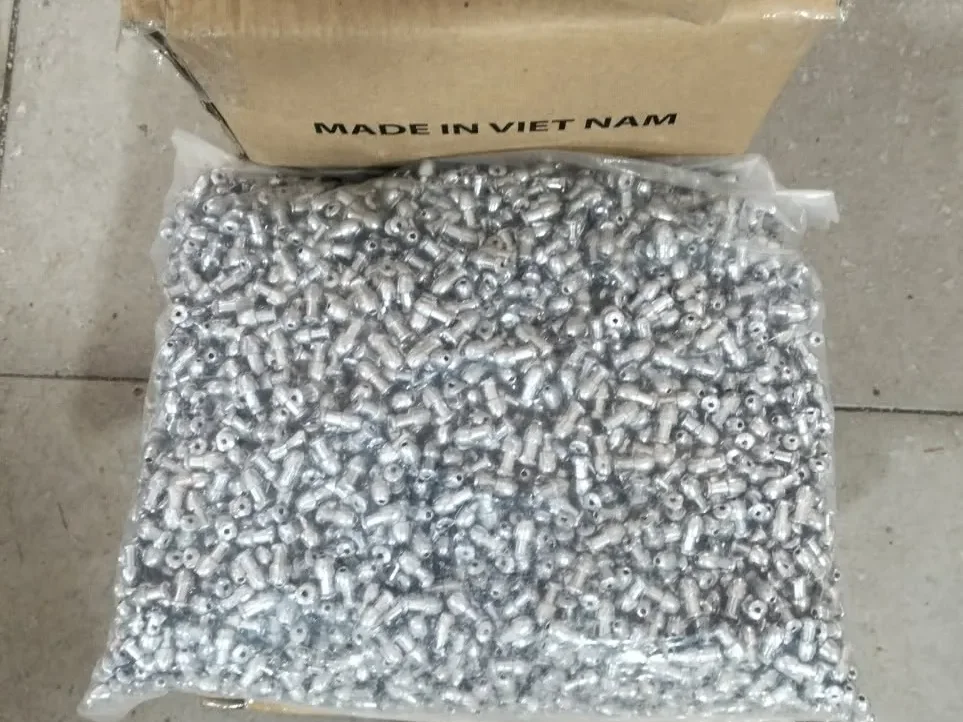
Vietnam, Canada, Mexico, Australia and New Zealand are all members of the CPTPP. For qualifying goods, the agreement can reduce or remove import duty. Australia and New Zealand also trade with Vietnam under the ASEAN–Australia–New Zealand agreement (AANZFTA). Ask your broker which agreement applies and which origin document they need. We provide a Certificate of Origin on request.
3. Origin must be real
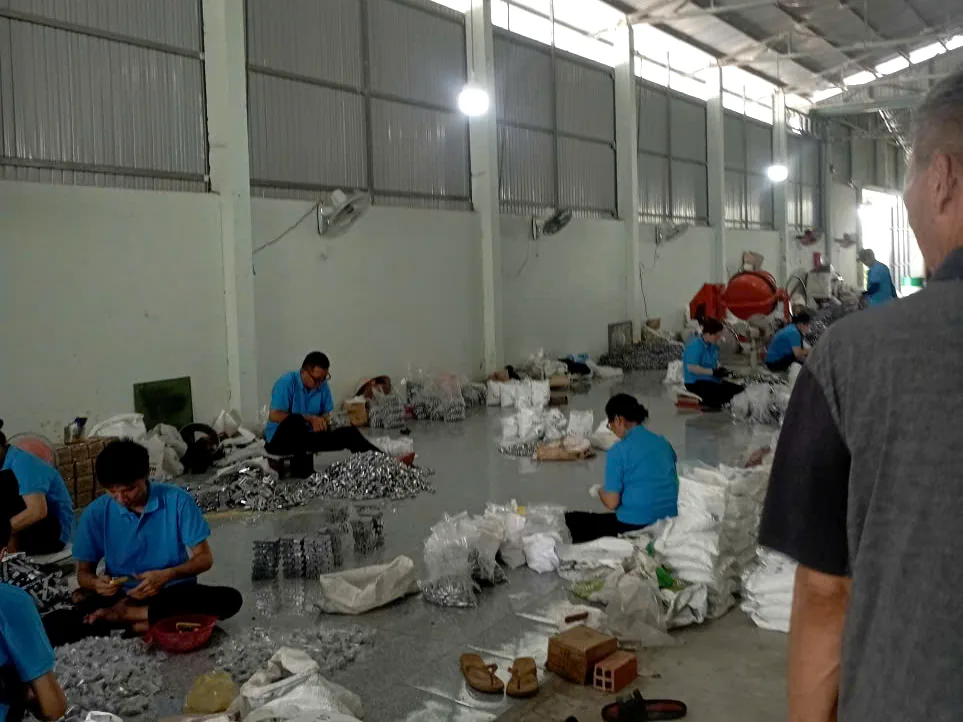
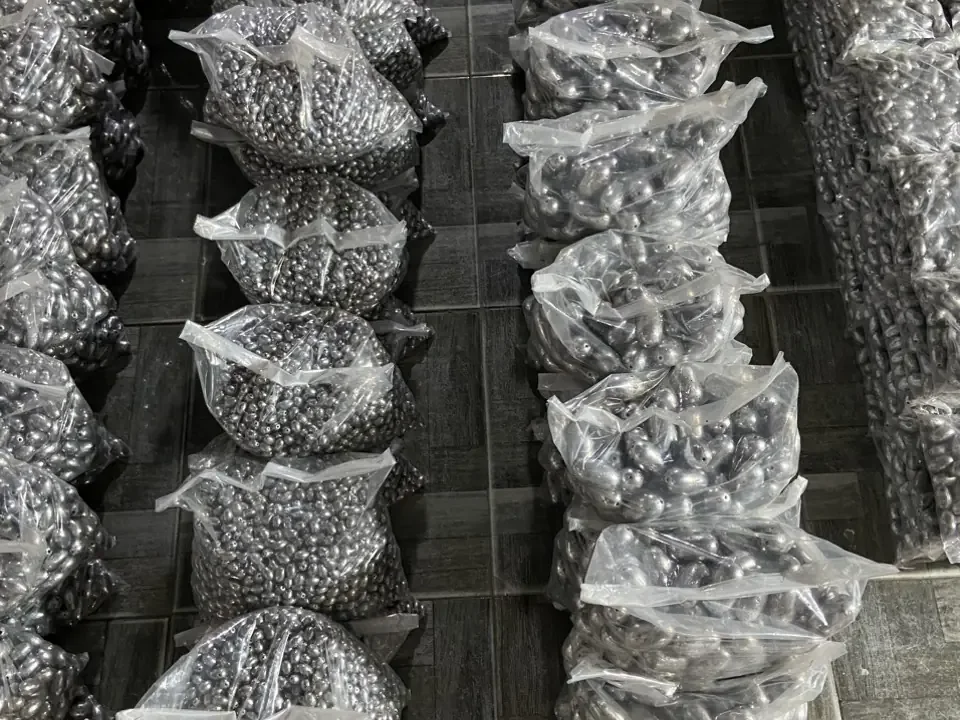
Customs authorities look closely at goods that are only repacked or lightly processed in a third country. Lower duty applies only if the sinkers are actually made in Vietnam. Ask any supplier where the lead is cast, and visit or video-call the factory. At Fides Fishing, sinkers are cast, size-stamped, weight-checked and packed in our own facility in Vietnam. See inside our factory.
4. Supplier choice and product range
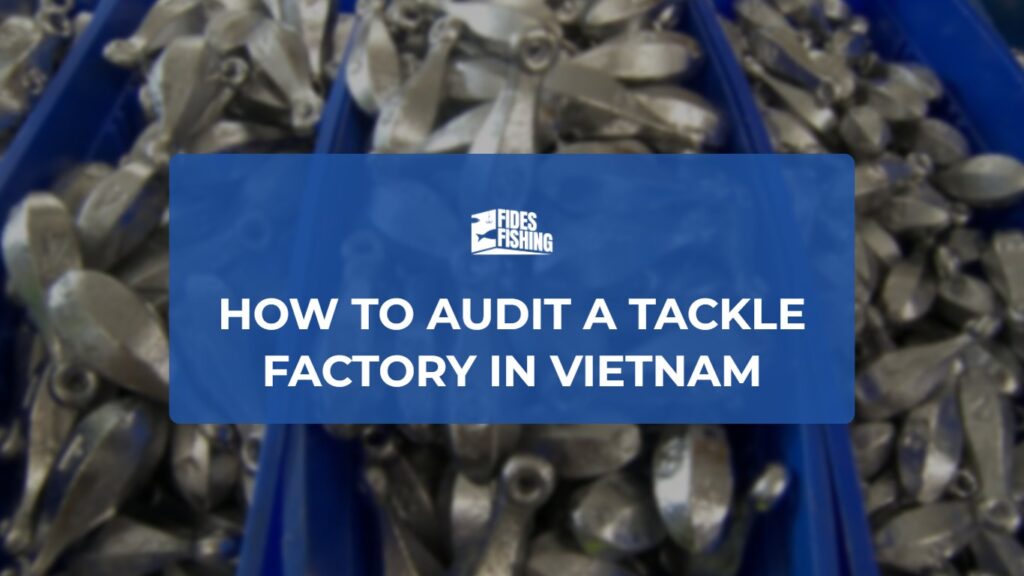
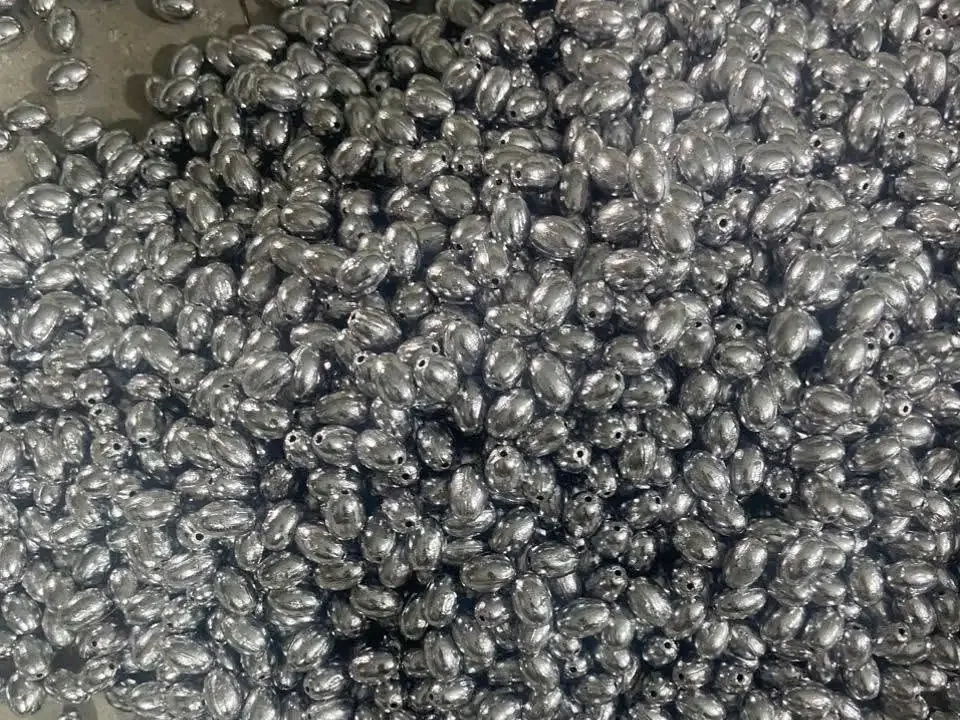
China wins on the sheer number of suppliers and ready-made shapes. Vietnam has fewer sinker makers, so it pays to pick one that already makes the shapes your market needs. We make 17 sinker types, from 1/16 oz bullet sinkers to 15 lb deep drop weights, plus lead dive weights and lead jigs (see types of fishing sinkers). New shapes can be made from your sample or drawing.
5. MOQ and lead time
Our minimum is 3,000 lbs for sinkers, 2,500 pcs for dive weights and 3,000 pcs for lead jigs. Samples take about 10 days and production about 30 days (about 2 months for jigs). These are close to what buyers are used to from China, so moving or splitting supply does not have to slow your season.
6. Diversify, don’t just switch
Many buyers keep a Chinese supplier for some items and move their bestselling sinkers to Vietnam. That lowers duty on the highest-volume items and gives a second source if one country faces new tariffs or delays. Start with one container of your top shapes, compare landed cost and quality, then expand.
Checklist for moving sinker orders to Vietnam
- List your top 10–20 SKUs by volume.
- Get landed-cost quotes (price + freight + full duty stack) from both countries.
- Confirm the factory casts in Vietnam; ask for photos or a video call.
- Approve samples against your current stock.
- Confirm packaging, labels and any Prop 65 text before production.
- Ask for a Certificate of Origin if your broker needs one.
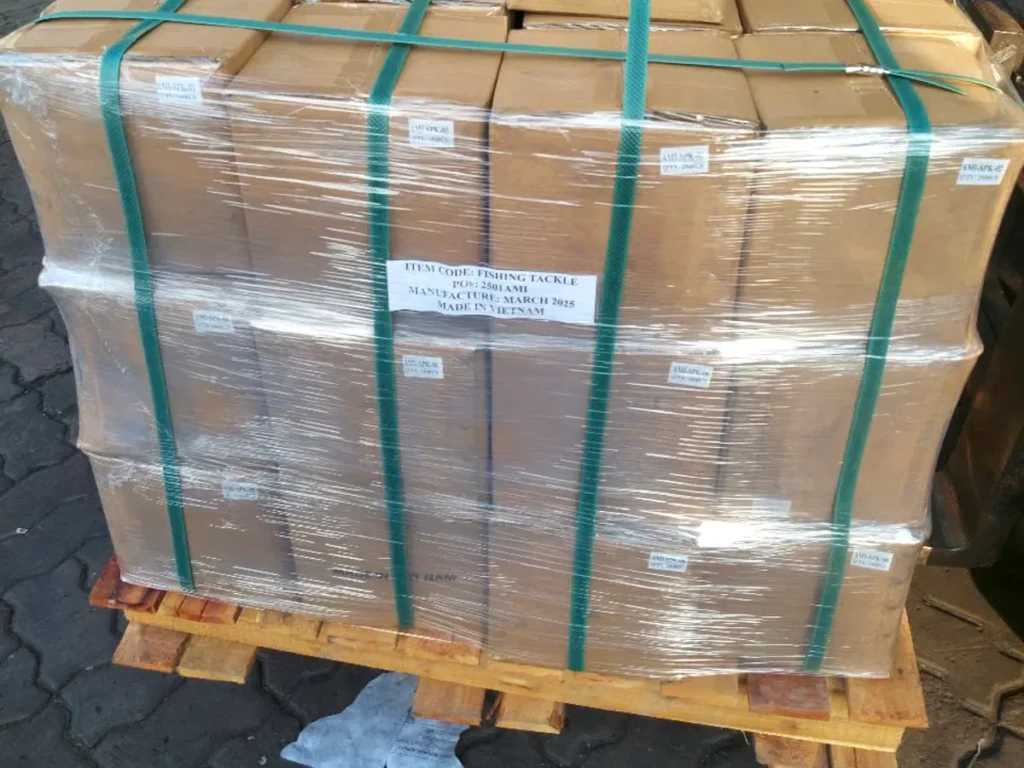
Our step-by-step guide on how to import fishing sinkers from Vietnam covers each stage in detail.
Whichever country you source from, the checks that protect your brand are the same. Our guide to fishing sinker quality control lists what to put in your purchase order.
Read more on why tackle brands choose a Vietnam OEM/ODM factory and how sourcing from Vietnam can help with high tariffs.
FAQ
Are fishing sinkers cheaper from Vietnam or China?
Factory prices are often similar. For US buyers, the landed cost is often lower from Vietnam when the China-specific Section 301 duties apply to your product code. Compare landed cost, not factory price.
What are the tariffs on fishing sinkers from Vietnam?
Rates change often in 2026. Ask a licensed customs broker for the current rate on your HTS code (usually under heading 9507) before you order.
Can Vietnam make the same sinker shapes as China?
Yes, for common shapes. Fides Fishing makes 17 sinker types and can make new shapes from your sample or drawing.
Is lead time longer from Vietnam?
No. At Fides Fishing, samples take about 10 days and production about 30 days, similar to typical Chinese lead times.
Do you provide a Certificate of Origin?
Yes, on request.
Fides Fishing exports sinkers from Vietnam to the USA, Canada, Mexico, Australia and New Zealand. Want to compare landed costs? Send us your top SKUs and we will quote in time for your broker to run the numbers.