Short answer: a quality agreement, or a quality section in your purchase order, turns “good quality” into numbers both sides can check. It names the approved reference sample, the weight tolerance for each size, key dimensions, defect classes, the sampling plan for inspection, and the packaging and label specifications. It also says when goods are inspected, by whom, and what happens if a lot fails. For general consumer goods, a common sampling plan is AQL 0 for critical defects, 2.5 for major and 4.0 for minor.
Why put quality in writing
Most quality disputes are not about bad faith. They happen because the buyer and the factory had different pictures of “correct”. A few lines in the PO prevent that. Both sides check against the same reference sample and the same numbers, and both know what happens if something is wrong.
The ten clauses to include
| Clause | What to write |
|---|---|
| 1. Reference | The approved sample set, with its date and ID. Production must match it. |
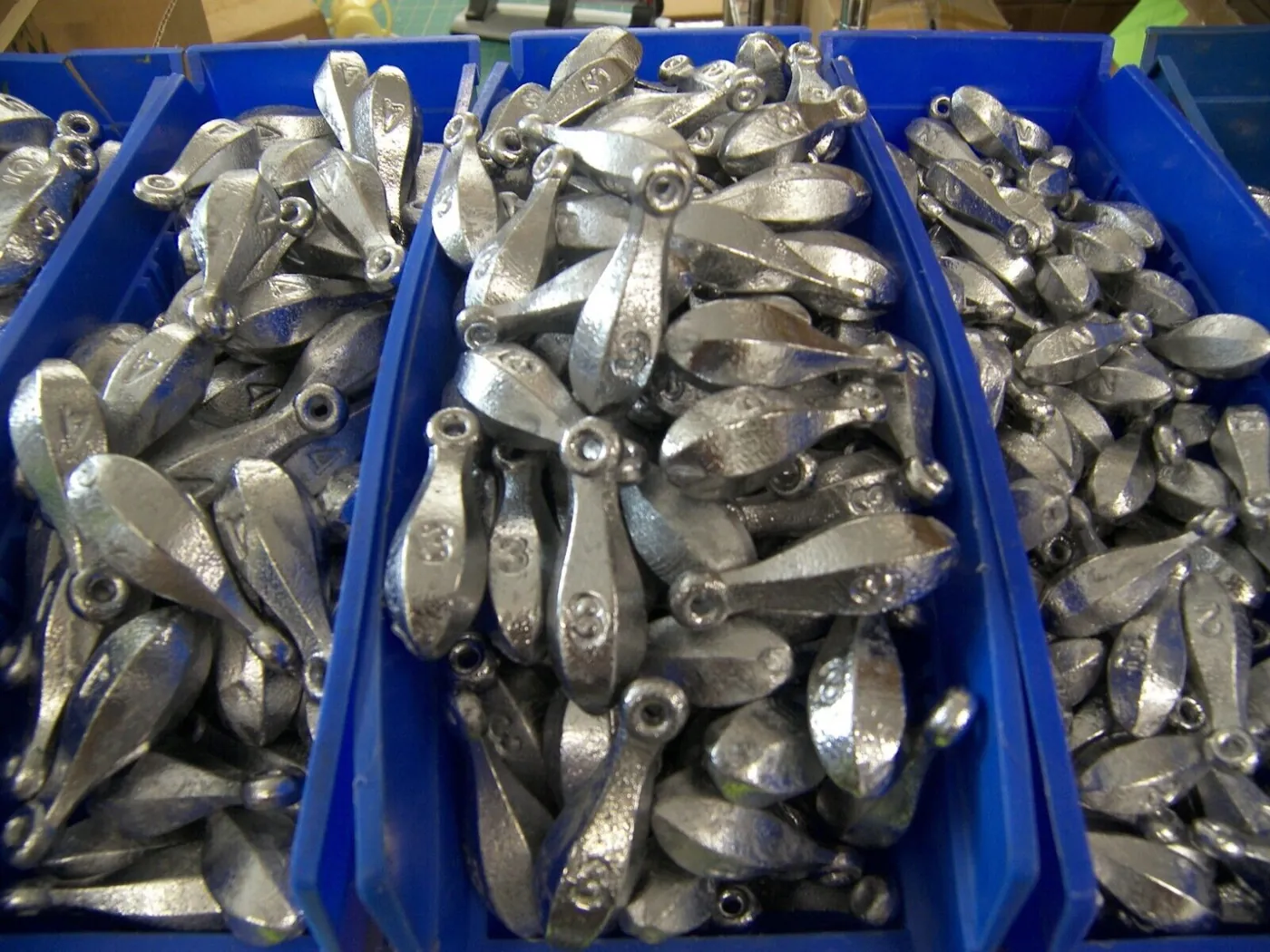
| 2. Weight | Nominal weight and tolerance for each size, per piece. For example: plus or minus a set number of grams for small sizes, or a percentage for heavy ones. |
| 3. Dimensions | Eye inside diameter, line hole, slot width, length, with tolerances where they matter. |
| 4. Marking | Which sizes are marked, units and format. |
| 5. Hardware | Eyes, rings and wires firmly set. Add a pull test if your customers use heavy tackle. |
| 6. Surface and finish | No holes, cracks or sharp seams. For coated items: full coverage and color per size. |
| 7. Defect classes | Which faults are critical, major or minor (see below). |
| 8. Sampling plan | Inspection standard, level and AQL for each defect class. |
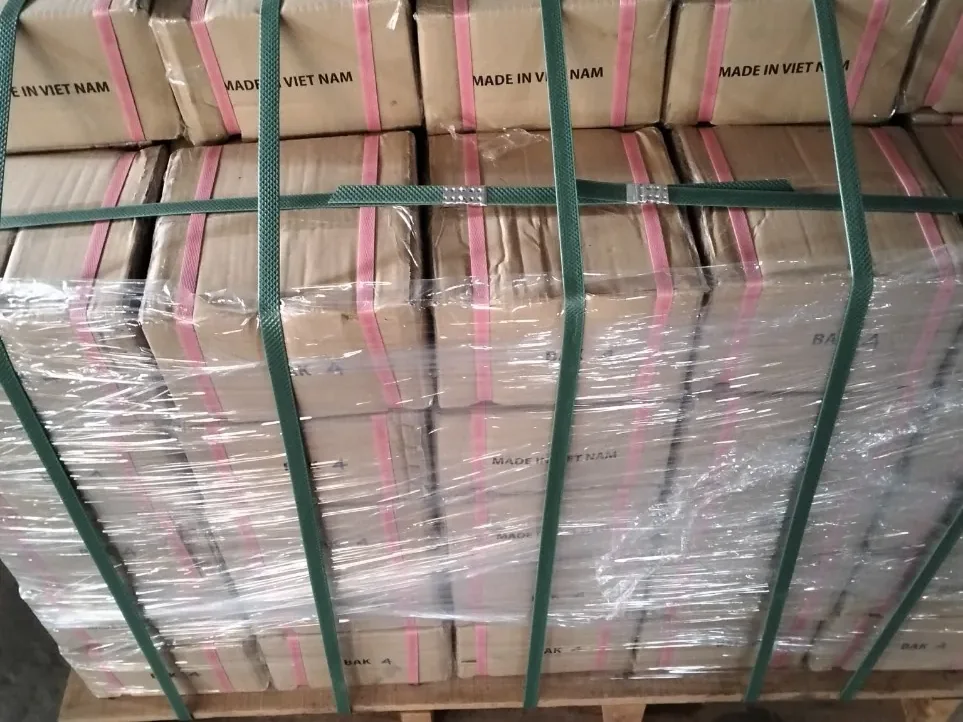
| 9. Packaging and labels | Count per pack, barcode, warning text, carton marks, maximum carton weight. |
| 10. Inspection and failures | When and by whom goods are inspected, and what happens if a lot fails: sorting, rework, re-inspection and who pays. |
Defect classes for sinkers
| Class | Meaning | Examples for sinkers |
|---|---|---|
| Critical | Unsafe, or breaks a legal requirement | Missing or wrong legal warning, such as a required Prop 65 warning |
| Major | Likely to cause a return or a complaint | Weight outside tolerance, wrong size mark, loose eye, sharp seam, wrong count, barcode that will not scan, mixed sizes in a pack |
| Minor | Cosmetic, unlikely to cause a return | Small surface marks, slight color variation within the agreed range |
The sampling plan
Inspectors do not check every piece. They take a random sample sized to the lot and accept or reject the lot by how many defects they find. Most buyers use ISO 2859-1, or the similar ANSI/ASQ Z1.4, at General Inspection Level II.
A common choice for consumer goods is AQL 0 for critical defects, 2.5 for major and 4.0 for minor.
Example: for a lot of 4,000 retail packs at Level II, the sample is 200 packs. At AQL 2.5, the lot passes if 10 or fewer packs have major defects and fails at 11. Write the plan into the PO so the factory, your inspector and you all use the same numbers. For weight, also agree how many pieces per size are weighed one by one.
More on the checks themselves: fishing sinker quality control.
When and who inspects
- During production: useful on a first order, to catch problems while they can still be fixed.
- Before shipment: the standard check, done when production is finished and most of the goods are packed.
- Who: the factory’s own team with a report and photos, your own staff, or a third-party inspection company paid by the buyer.
Agree in advance what a failed inspection means. Usually the factory sorts or reworks the lot and a re-inspection follows. Write down who pays for the re-inspection.
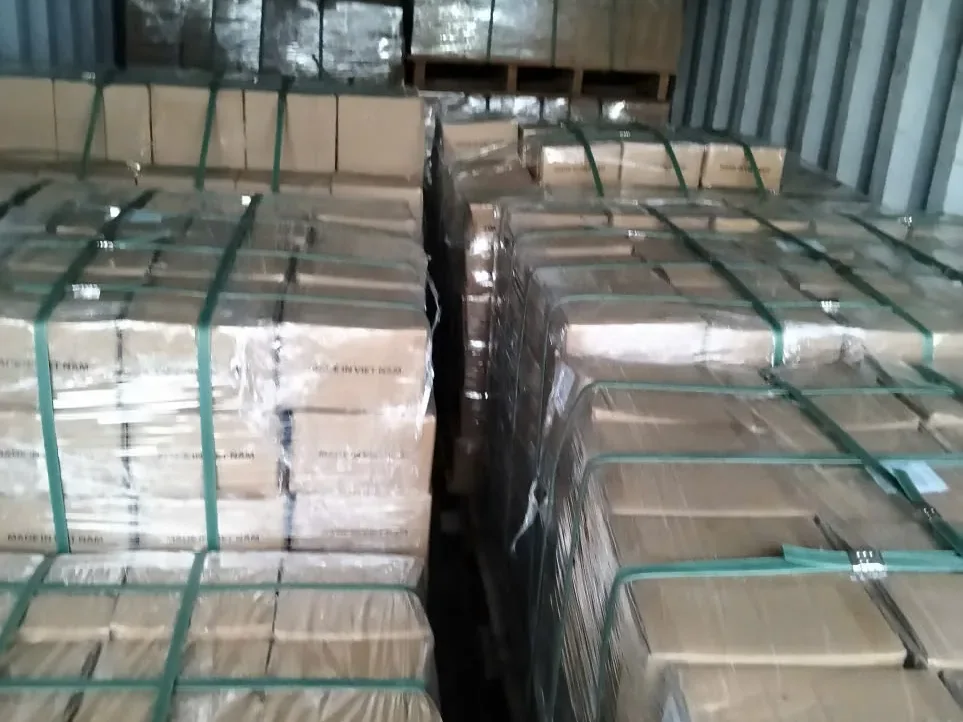
How we work at Fides Fishing
- The approved sample is the reference for the whole order.
- Every batch is weight-checked before packing, and key dimensions are measured with calipers.
- Your packaging, barcodes and warning text are printed from the files you approve.
- If you plan your own or a third-party inspection, tell us when you place the order.
To check the factory before you sign, read how to audit a fishing tackle factory in Vietnam.
FAQ
What AQL should I use for fishing sinkers?
Many buyers use AQL 0 for critical, 2.5 for major and 4.0 for minor defects, at General Inspection Level II. Stricter levels cost more inspection time.
Is a weight tolerance an industry standard?
No single figure applies to all sinkers. Agree a tolerance per size in writing.
Who pays for a pre-shipment inspection?
Usually the buyer pays for a third-party inspection. If the lot fails, many buyers agree that the factory pays for the re-inspection.
Do I need a separate quality agreement?
For a first order, a clear quality section in the PO is often enough. Long-term programmes often use a separate agreement that applies to every order.
At Fides Fishing, every batch is weight-checked against the approved sample before packing. Request a quote and tell us your quality and inspection requirements.