Short answer: seawater is about 2 to 3% denser than fresh water, so a diver floats more in the sea and needs more lead. In saltwater with an aluminum 80 tank, PADI suggests starting at about 5% of body weight with a 3 mm wetsuit, about 10% with a 5 to 7 mm wetsuit and 15% or more in a drysuit, plus about 2 kg (4 to 5 lb) for the tank. In fresh water, most divers need about 4 to 7 lb less. These are starting points only: always confirm with a buoyancy check.
This guide is general information for buyers and dive shops, not dive training. Follow your instructor and do a buoyancy check whenever your gear or the water changes.
Why saltwater needs more weight
A diver floats because of the weight of the water they push aside. Seawater is heavier than fresh water: Britannica gives about 1.028 g/cm³ for typical seawater at 0 °C, against about 1.000 for fresh water. Warmer seawater is slightly lighter, but always denser than fresh water.
That difference sounds small, but it adds up. A diver and their gear might displace around 100 liters of water. In fresh water that is about 100 kg of lift; in the sea it is about 102.5 to 103 kg. The extra 2.5 to 3 kg (5 to 6 lb) of lift has to be balanced with extra lead. PADI and DAN both make the same point: the same diver in the same gear needs more weight in the ocean than in a lake or pool.
Starting weights by exposure suit
| Exposure suit | Starting weight in saltwater | Source |
|---|---|---|
| 3 mm wetsuit | About 5% of body weight | PADI, DAN |
| 5 to 7 mm full wetsuit | About 10% of body weight | PADI, DAN (6 mm) |
| Drysuit | About 15% of body weight or more | PADI |
| Aluminum 80 tank | Add about 2 kg (4 to 5 lb) | PADI |
PADI gives these figures for an 11-liter aluminum 80 tank in saltwater. DAN gives similar baselines and calls them simply starting points. Wetsuit Wearhouse suggests 10% plus 3 to 5 lb for a 7 mm suit.
Example: an 80 kg diver in a 7 mm wetsuit with an aluminum tank starts at about 8 kg + 2 kg = 10 kg in the sea. In a lake, the same diver would start about 2 to 3 kg lighter, then fine-tune with a buoyancy check.
How much weight to remove in fresh water
Wetsuit Wearhouse suggests that in fresh water the weight drops by about 4 to 7 lb (roughly 2 to 3 kg), depending on body weight. That matches the physics above: about 2.5 to 3% of the water a diver displaces. The reverse also applies. DAN notes that divers trained in pools, quarries or lakes should expect to add weight for their first ocean dives, even in the same exposure suit.
How to do a buoyancy check
- Start in water too deep to stand in and let all the air out of your BCD (DAN).
- Hold a normal breath. You should float with the water at eye level.
- Breathe out. You should sink slowly (PADI).
- Add or remove weight in small steps, for example 2 lb at a time (DAN), and check again.
- At the end of the dive, with about 500 psi left in an aluminum tank and an empty BCD, you should be able to hover at 15 ft (5 m) without effort (DAN).
Other things that change how much lead you need
- Tank type: aluminum tanks can start negative and become positive as they empty, while steel tanks are typically negative throughout the dive (PADI).
- Exposure suit: thick wetsuits and drysuits need more weight than a shorty (PADI).
- The diver: the right amount varies from person to person, which is why every new setup needs its own check (DAN).
What this means for dive shops and brands
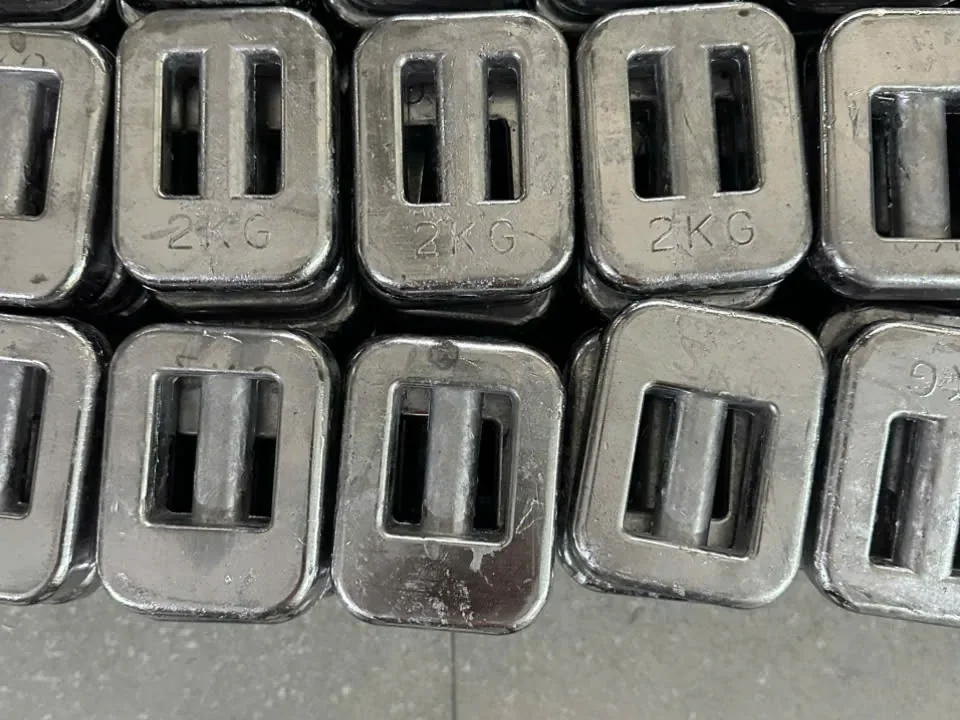
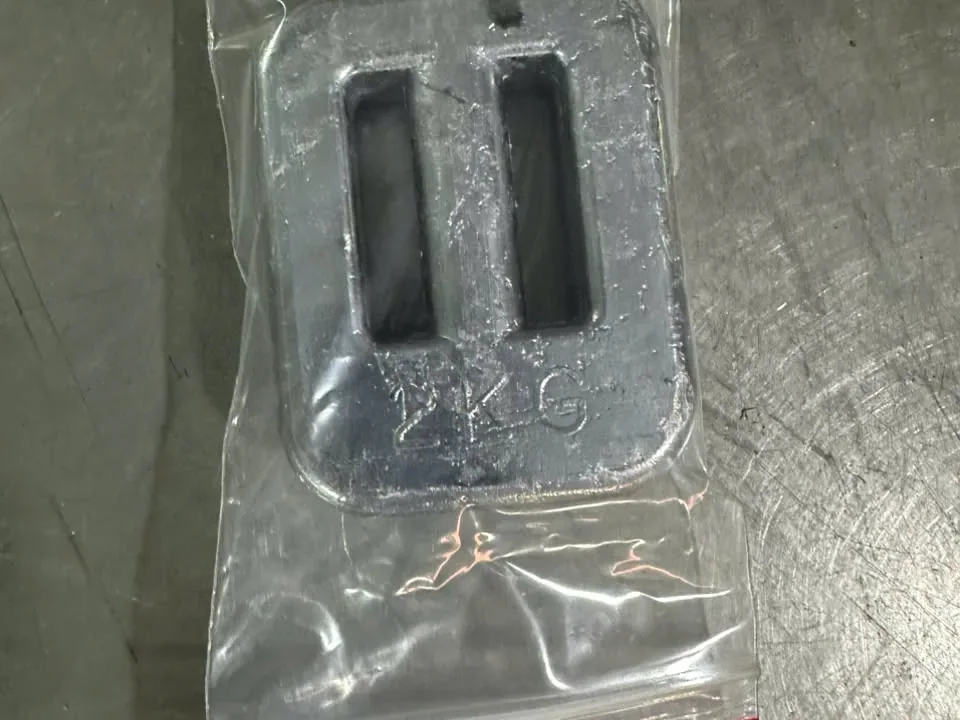
Divers change their weight when they move between fresh and salt water, change suits or switch tanks, and they fine-tune in small steps. So a dive shop sells weights in a range of sizes rather than one or two, including small weights for fine-tuning. Shops in metric markets usually stock weights marked in kilograms, and US shops in pounds, so the marking on the weight and the pack should match your market.
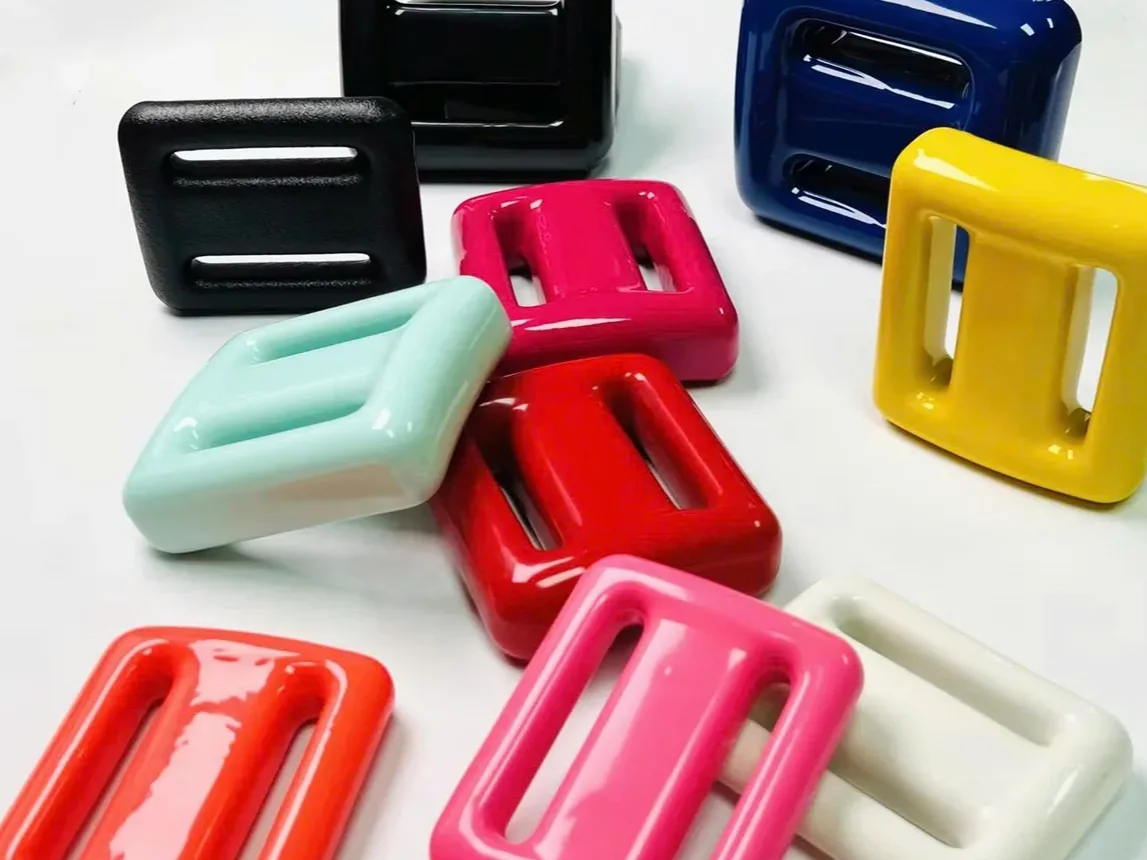
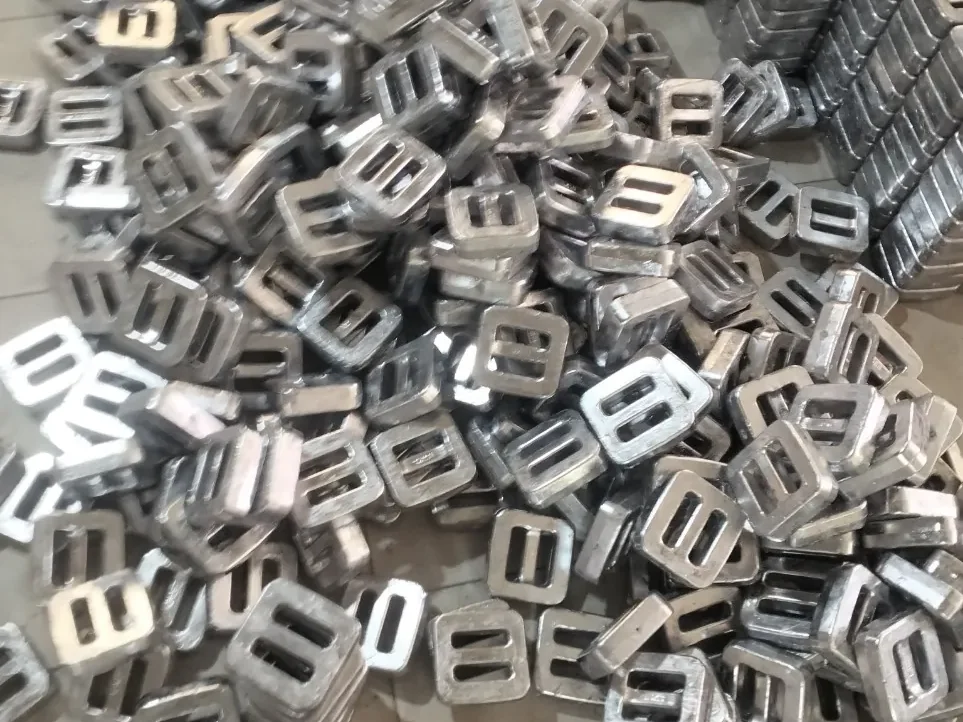
Weights come bare or vinyl-dipped, and the coated finish can be made in your brand colors. For a full stock plan, see our guides to lead dive weights wholesale and private label dive weights, or browse our diving weights.
FAQ
Do you need more weight in saltwater or freshwater?
Saltwater. Seawater is denser than fresh water, so you float more and need more lead to sink.
How much less weight do I need in freshwater?
A common starting point is about 4 to 7 lb (2 to 3 kg) less than in saltwater, depending on body weight and gear. Confirm with a buoyancy check.
How much weight do I need with a 7 mm wetsuit?
In saltwater, about 10% of body weight is a common starting point, plus about 2 kg (4 to 5 lb) for an aluminum tank. Then fine-tune with a buoyancy check.
Why does an aluminum tank need extra weight?
An aluminum tank becomes buoyant as it empties, so divers add a little weight to stay neutral at the end of the dive. PADI suggests about 2 kg (4 to 5 lb).
What is a buoyancy check?
With an empty BCD and a normal breath, you should float at eye level and sink slowly when you breathe out. If not, add or remove weight in small steps and check again.
Fides Fishing casts lead dive weights for belts and BCD pockets, bare or vinyl-dipped, in the sizes you need and packed under your brand. Request a quote with your sizes, finish and packing.