Fides Fishing theme skeleton — template not yet ported for this URL.
How Fishing Sinkers Are Made: Inside a Lead Casting Factory in Vietnam
Short answer: lead fishing sinkers are made by melting lead, pouring it into a mold shaped like the sinker, letting it set, then sorting, weight-checking and packing the castings. Shapes with hardware, such as cannonball sinkers with brass eyes or sputnik sinkers with wire legs, get that hardware in the same production run. At Fides Fishing in Vietnam, molds are made in-house, the size is stamped on every sinker and every batch is weight-checked before packing. Samples take about 10 days and production about 30 days.
This guide walks through each step on our factory floor, with real photos, and shows what a buyer should check at each stage.
The process at a glance
| Step | What happens | What to check as a buyer |
|---|---|---|
| 1. Mold | A mold is made for each shape and size | Is your shape already in production, or does it need a new mold? |
| 2. Melt and pour | Lead is melted and poured into the mold | Full, clean castings without holes or missing edges |
| 3. Hardware | Eyes, rings or wire legs for shapes that need them | Eye size fits your snaps and swivels; wires are straight |
| 4. Cool and sort | Castings set, are taken out and sorted by size | No mixed sizes in a lot |
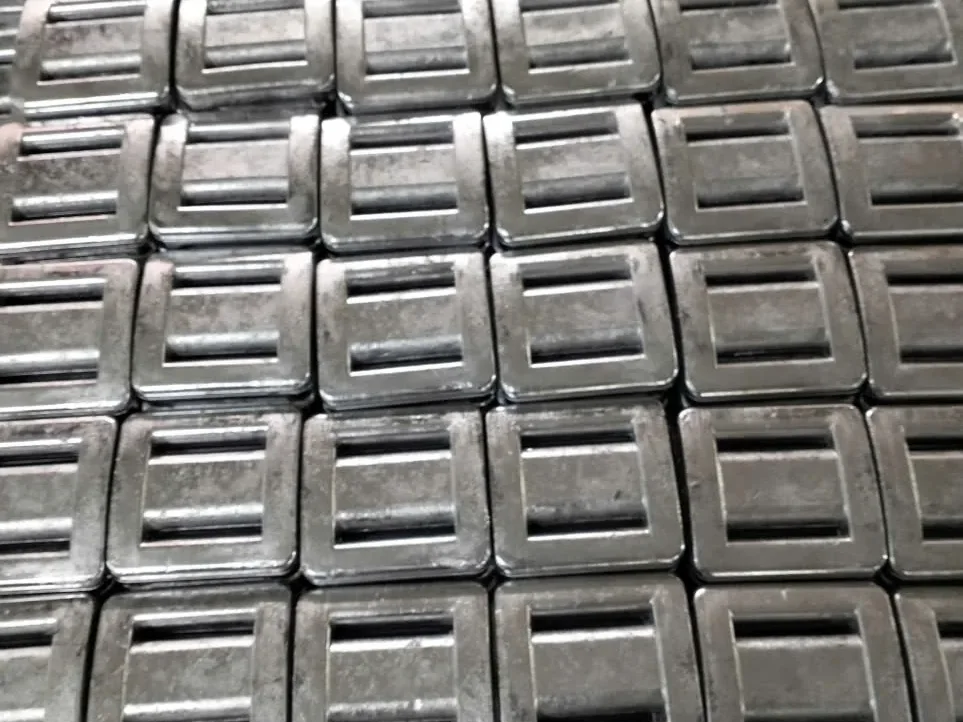
| 5. Size marking | The weight is stamped on each sinker | Marks are readable after packing |
| 6. Weight check | Each batch is checked on a scale | Weight per size matches your order |
| 7. Finish (optional) | Vinyl dip in your colors | Color per size, even coating |
| 8. Packing | Bulk bags, retail packs or individual packs | Count per bag, barcodes, warning labels |
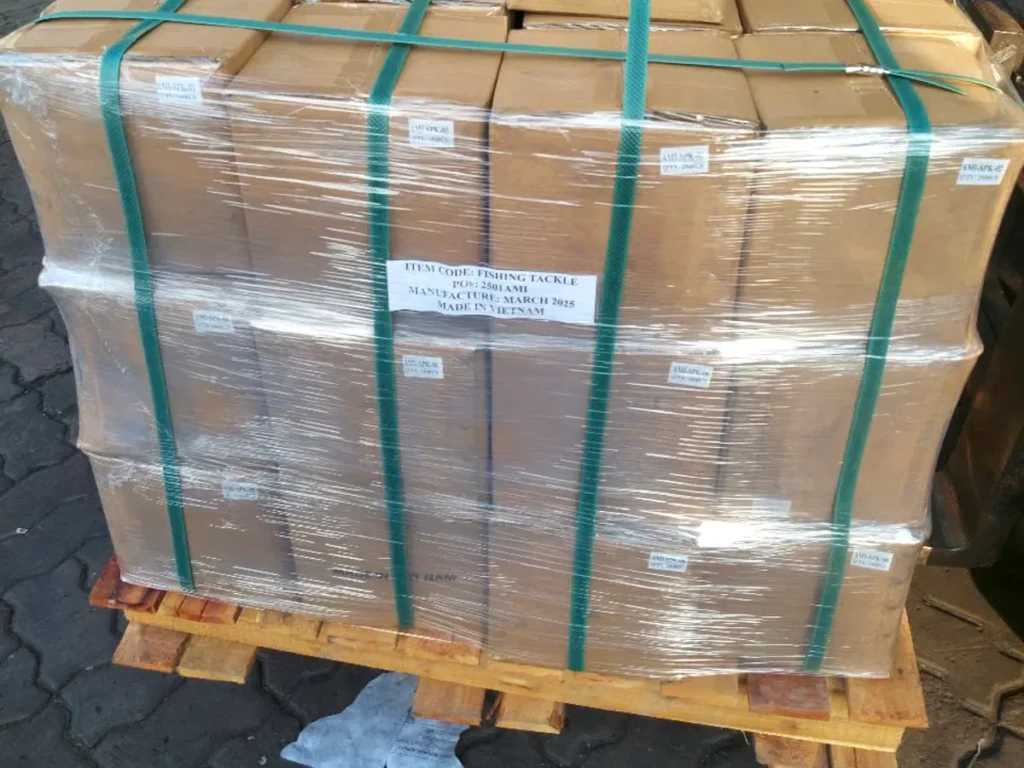
| 9. Cartons and container | Cartons go on pallets and into the container | Carton weight, strapping, container plan |
Step 1: The mold
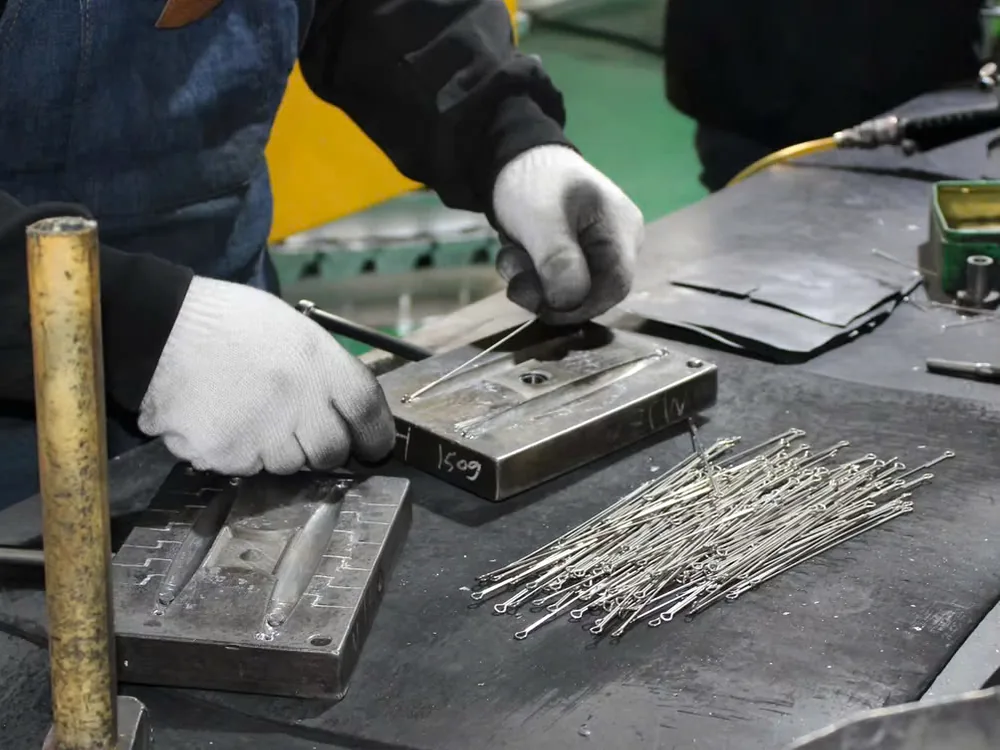
Every sinker starts with a mold cut to the shape and weight of the finished piece. A pyramid sinker, a bank sinker and an egg sinker each need their own mold, and so does every size of each shape, because a 2 oz and a 4 oz pyramid are different cavities.
We make molds in-house. For shapes we already produce, samples come straight from existing molds in about 10 days. For a new shape, we make the mold first and then cast samples; any tooling cost is stated in the quote. Once made, the mold stays at the factory for your repeat orders.
Step 2: Melting and pouring
Lead melts at about 327 °C (621 °F), which is low for a metal. That is one reason lead has been the standard sinker material for so long: it is easy to cast into precise shapes, and it is dense, so a small sinker carries a lot of weight.
The molten lead is poured into the mold and fills the cavity. A good pour fills every corner, so the finished sinker has sharp edges, a full eye and the right weight. A short pour leaves a light sinker or a missing edge, which is why the weight check later in the process matters.
Step 3: Eyes, rings and wire legs
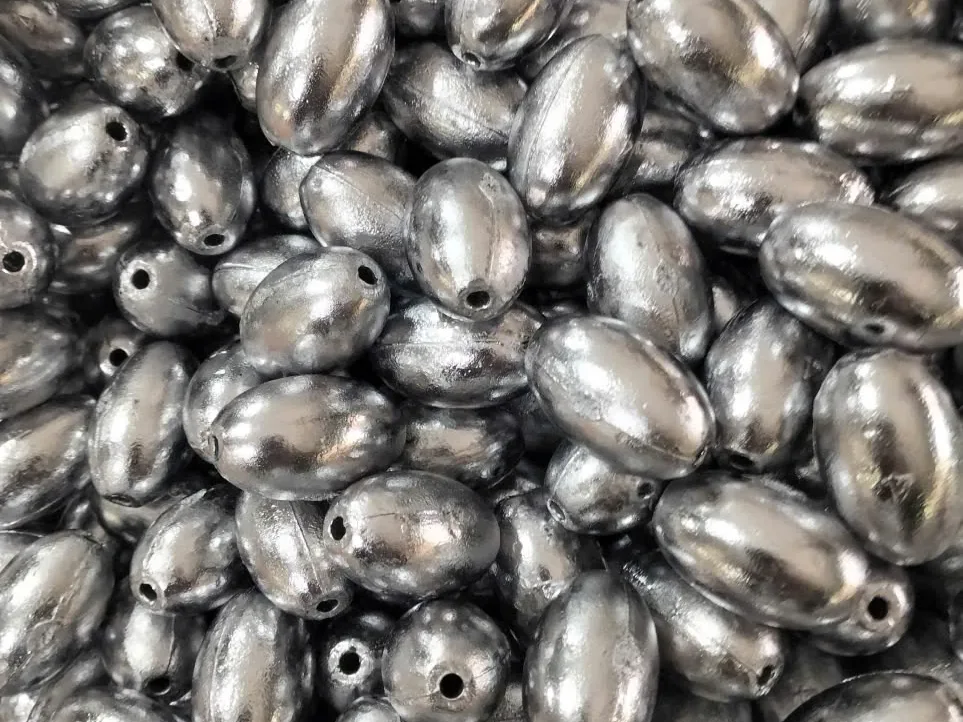
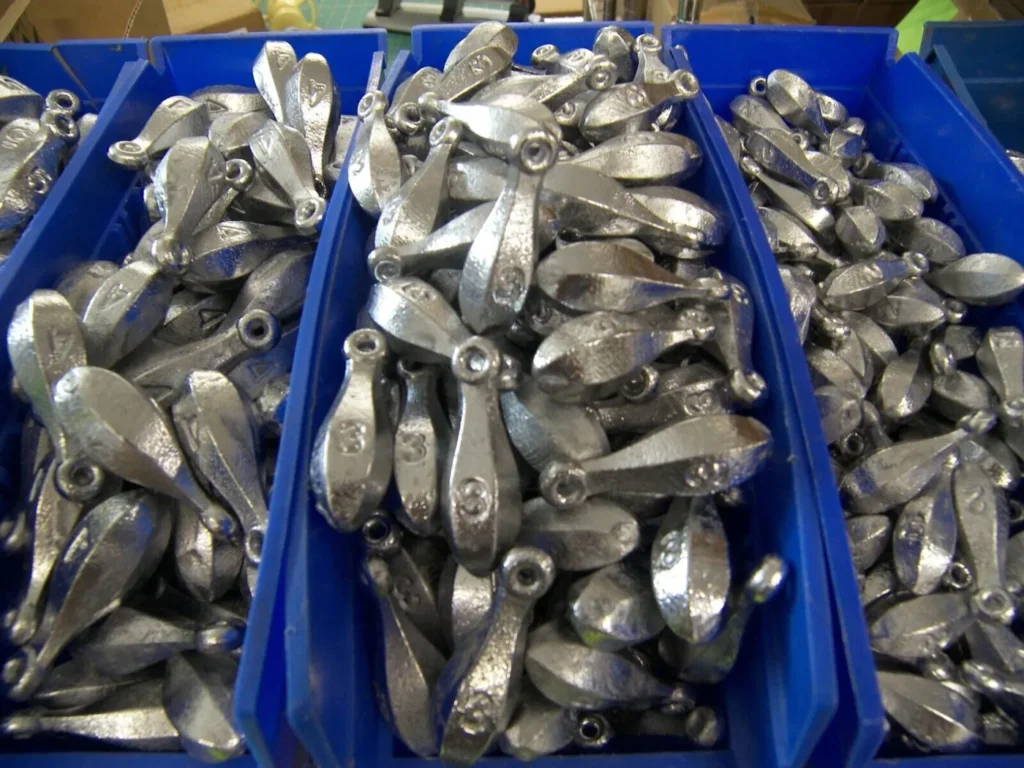
Many sinkers are plain lead: egg, bullet, coin and split shot have a line hole or slot and no hardware. Other shapes need something to tie to:
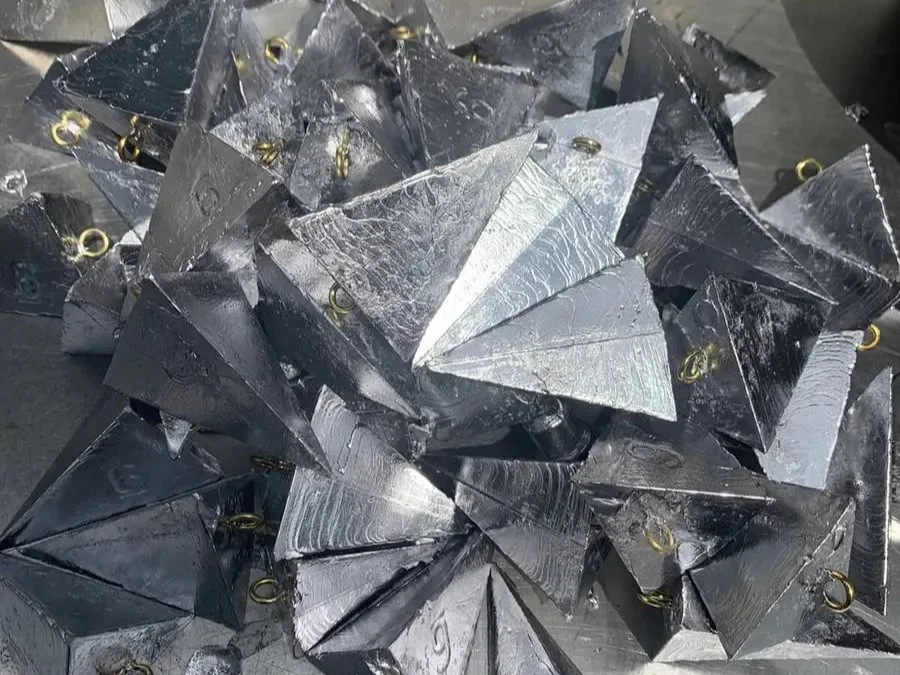
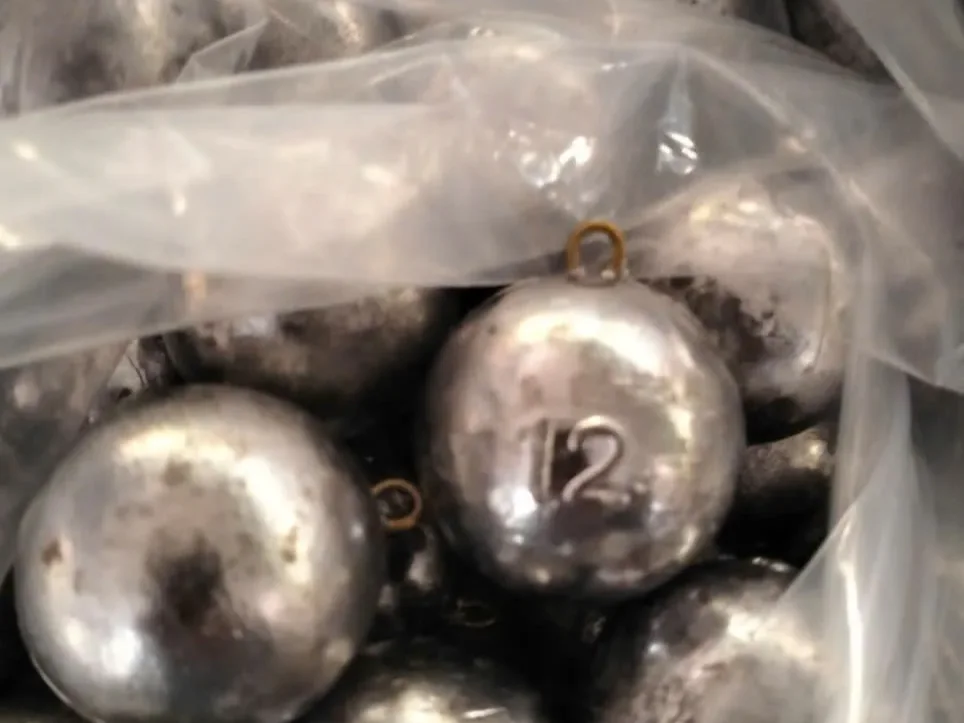
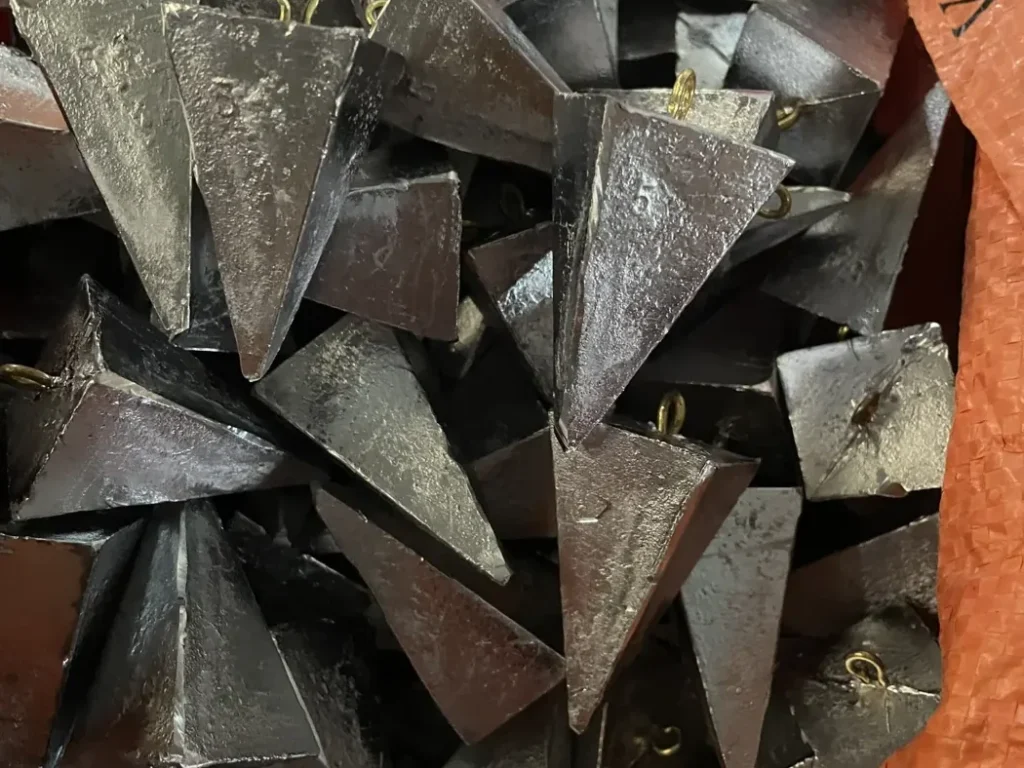
- Brass eyes on cannonball and pyramid sinkers, so the angler can clip on a snap or swivel.
- Rings at both ends on torpedo trolling sinkers, for in-line trolling rigs.
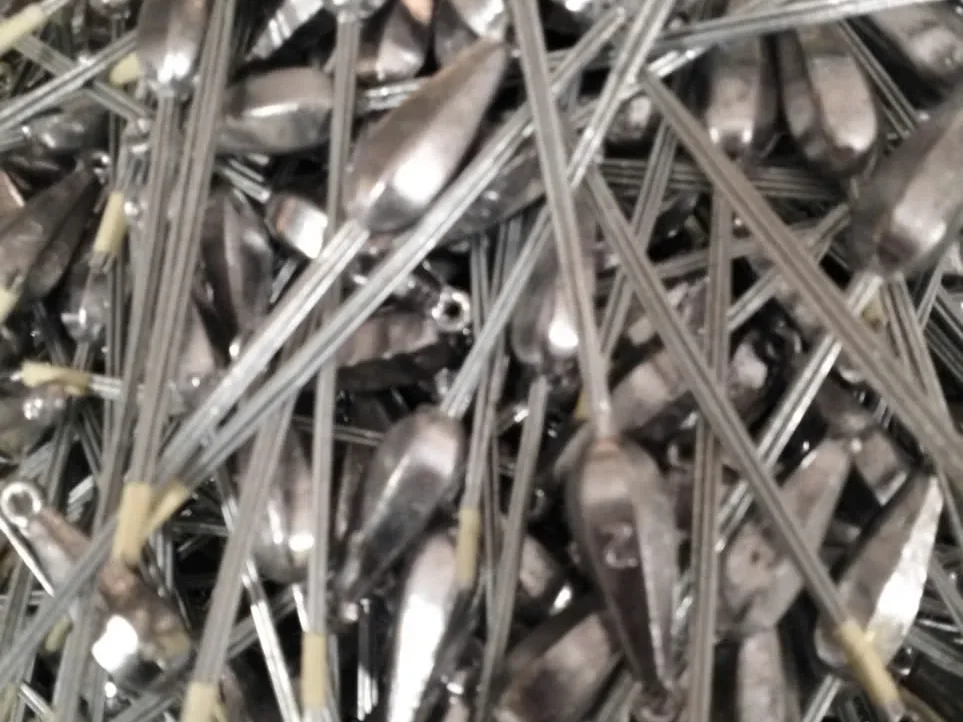
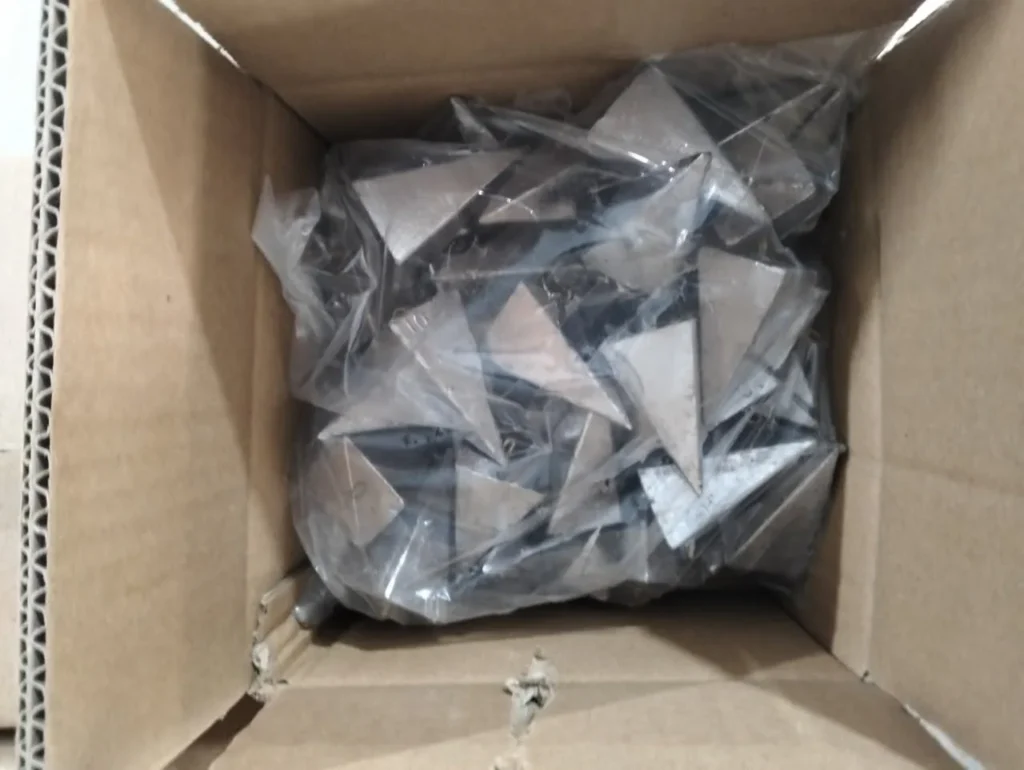
- Wire legs on sputnik sinkers, which grip the seabed in surf and current. They ship with protective caps on the wires.
The hardware is added in the same production run as the casting. For buyers, the details that matter are the eye’s inside diameter (it has to fit the snaps your customers use) and that wires are straight and firmly set.
Step 4: Cooling and sorting
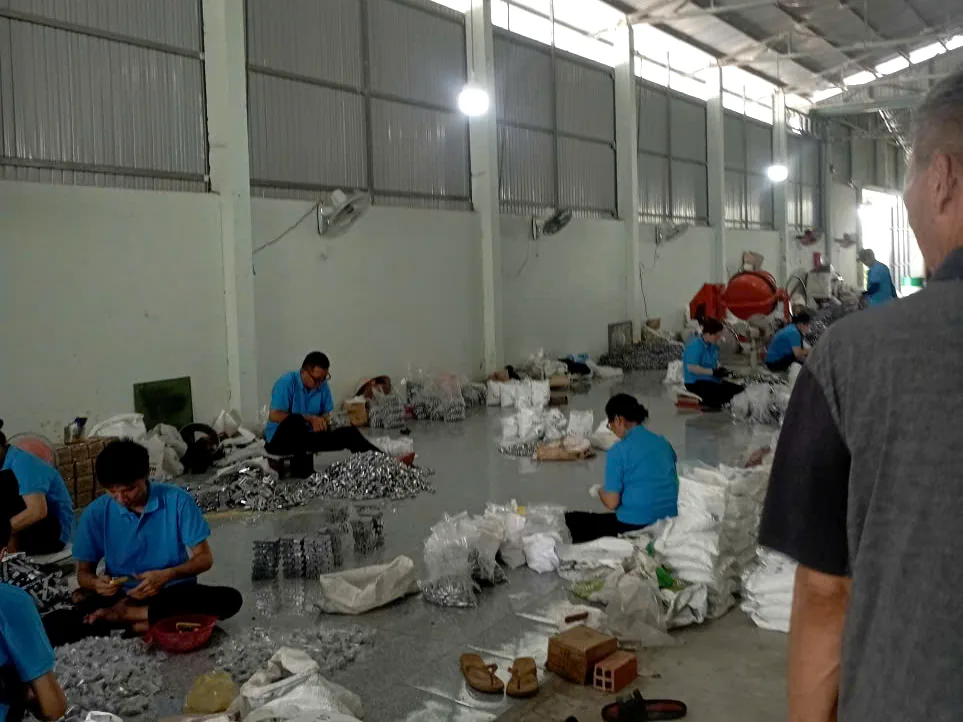
Lead sets quickly. The castings come out of the mold, cool, and are laid out or binned by shape and size. Sorting at this stage keeps sizes from mixing, which is the most common complaint buyers have about cheap sinkers: a bag sold as 3 oz with a few 2 oz pieces in it.
Step 5: Size marking
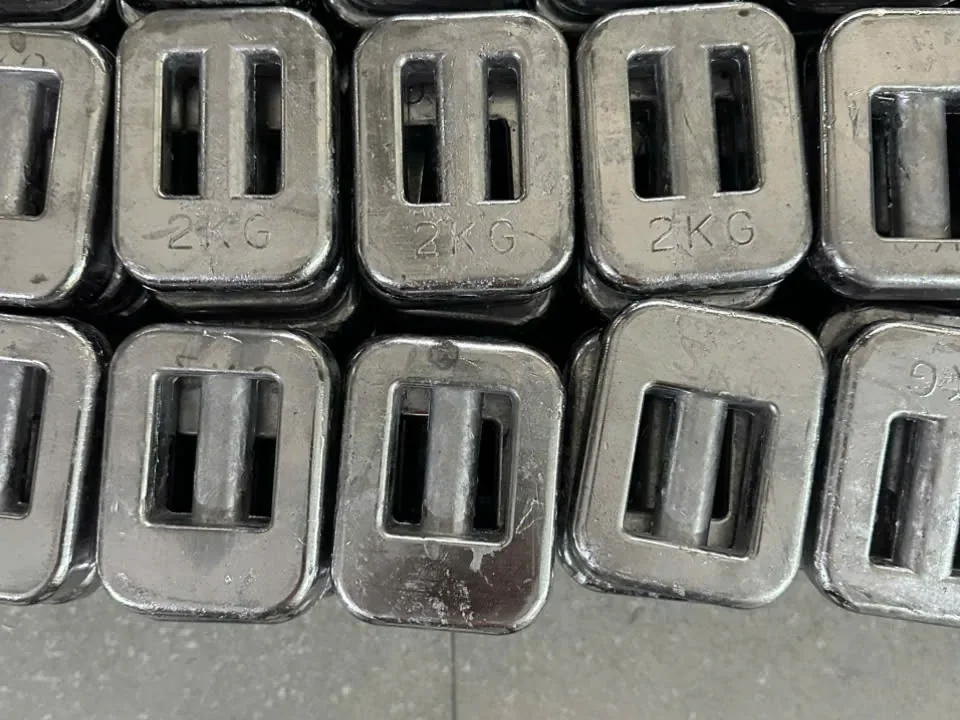
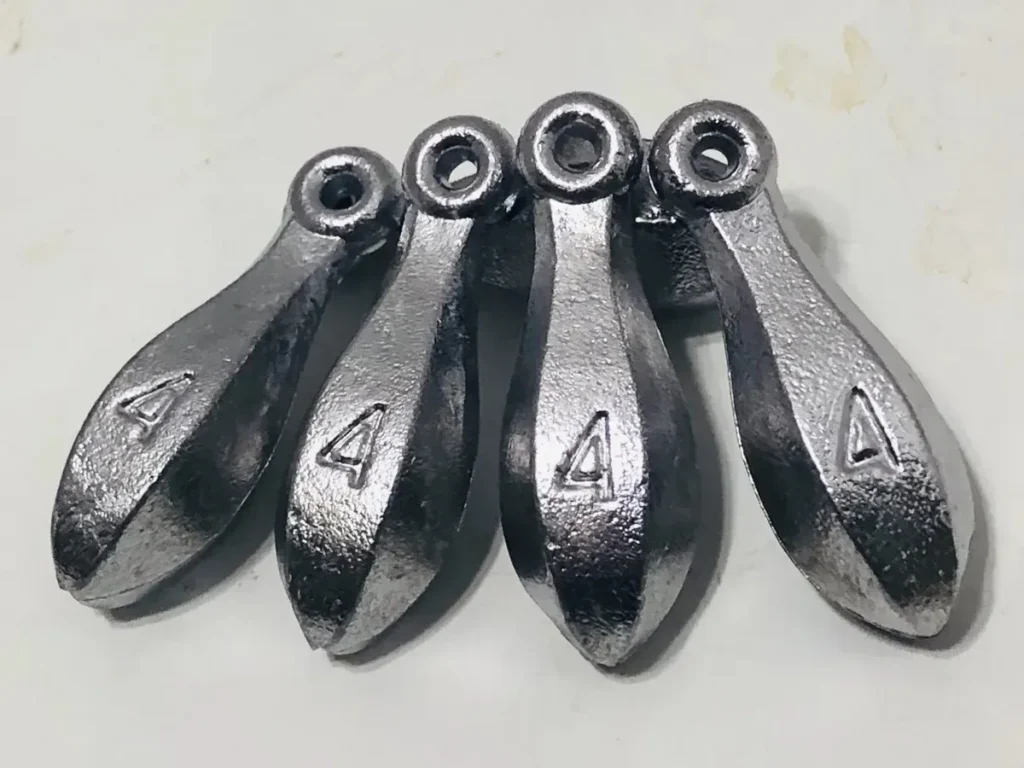
Anglers and store staff cannot tell 3 oz from 4 oz by eye. We stamp the size on every sinker, so stock stays sorted after the pack is opened and a loose sinker on the shop floor can go back in the right bin. On very small sinkers, such as split shot, the size goes on the pack instead.
Step 6: Weight check
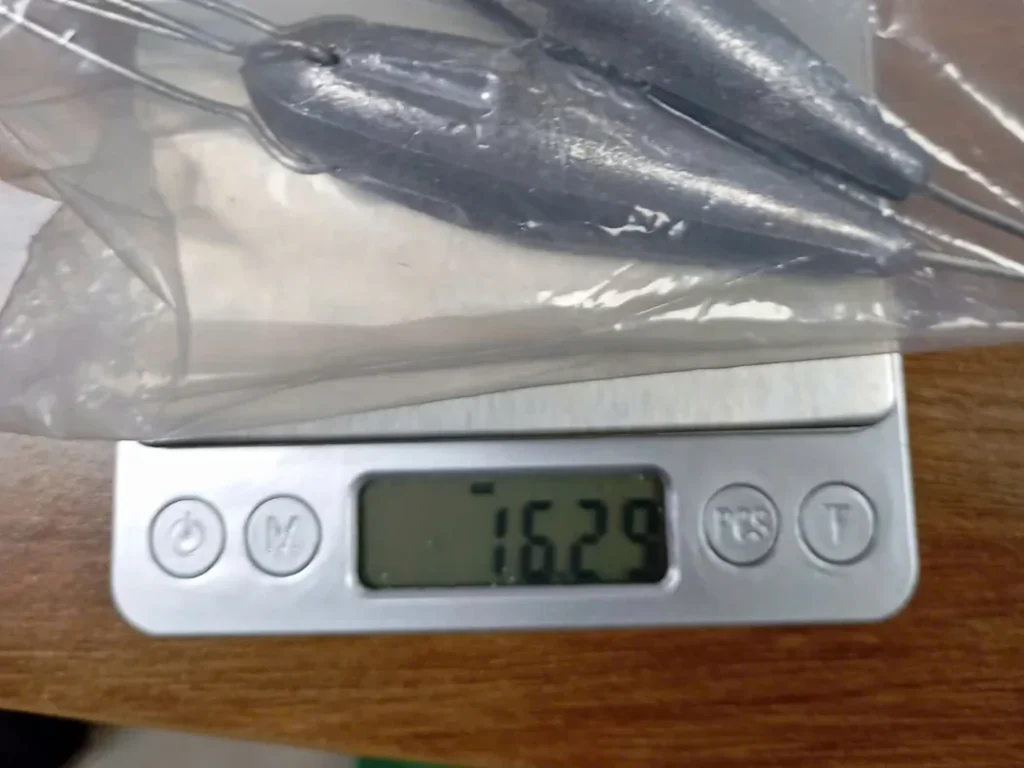
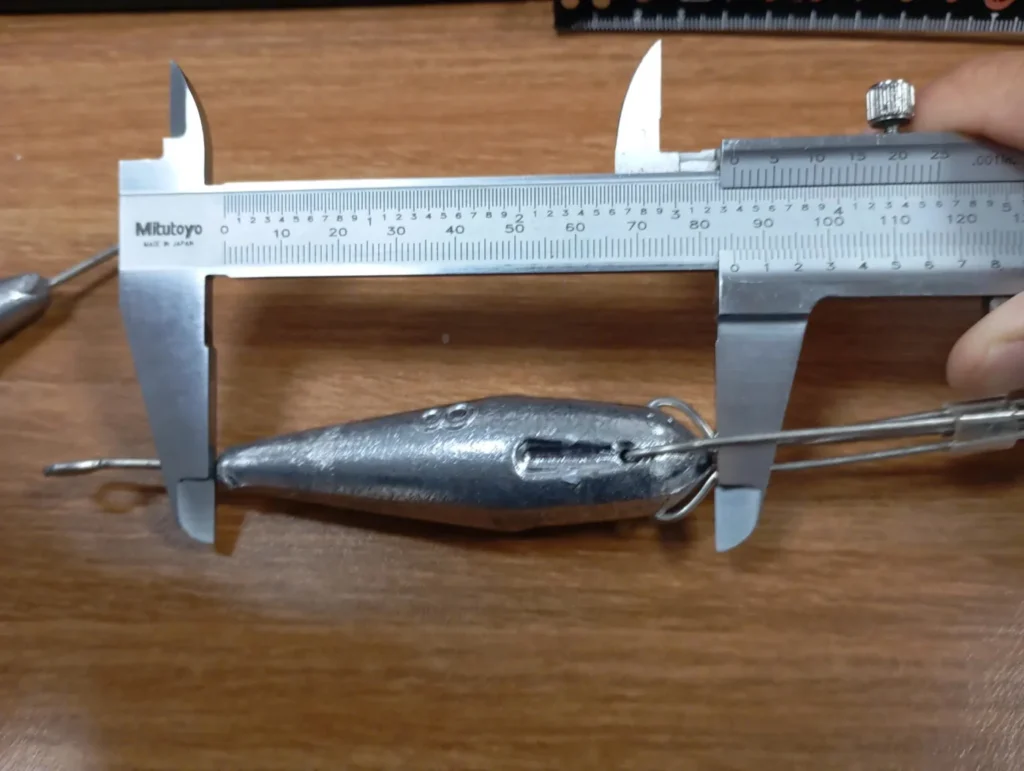
Every batch is weight-checked before it moves on to finishing or packing. Pieces are weighed on a digital scale, and key dimensions such as length and eye size are measured with calipers. Weight is what the angler is paying for, so this is the check that protects your brand.
We cover tolerances, sampling and the rest of the checks in detail in our guide to fishing sinker quality control. For weight conversions, see the sinker weight chart.
Step 7: Vinyl dip (optional)
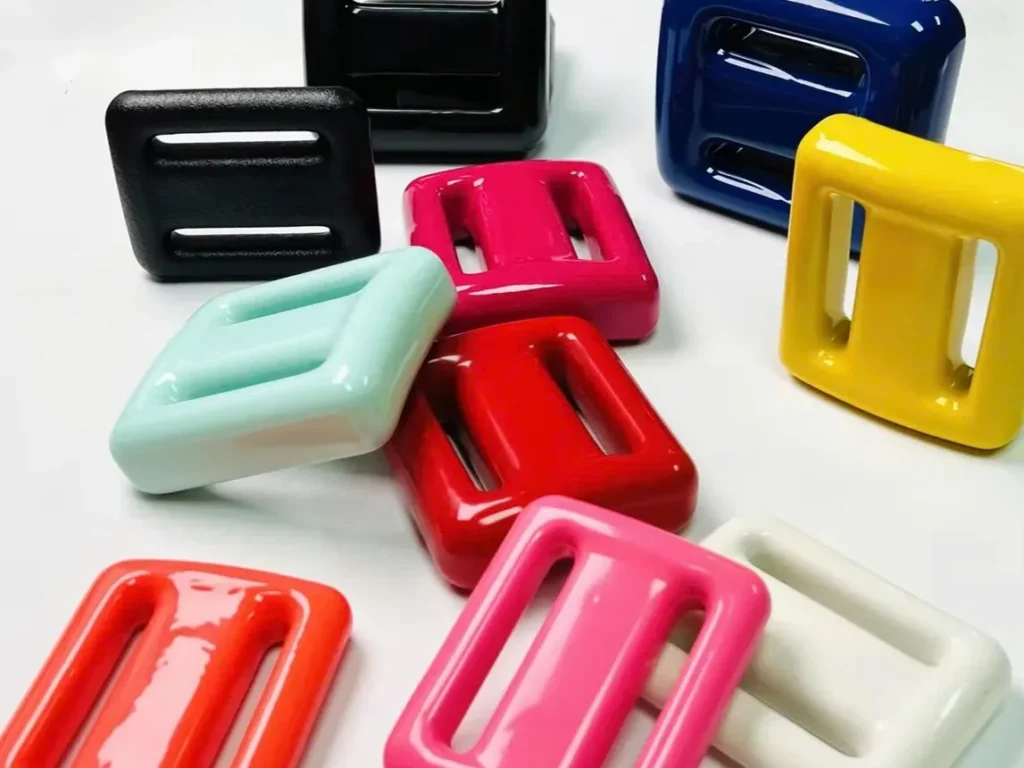
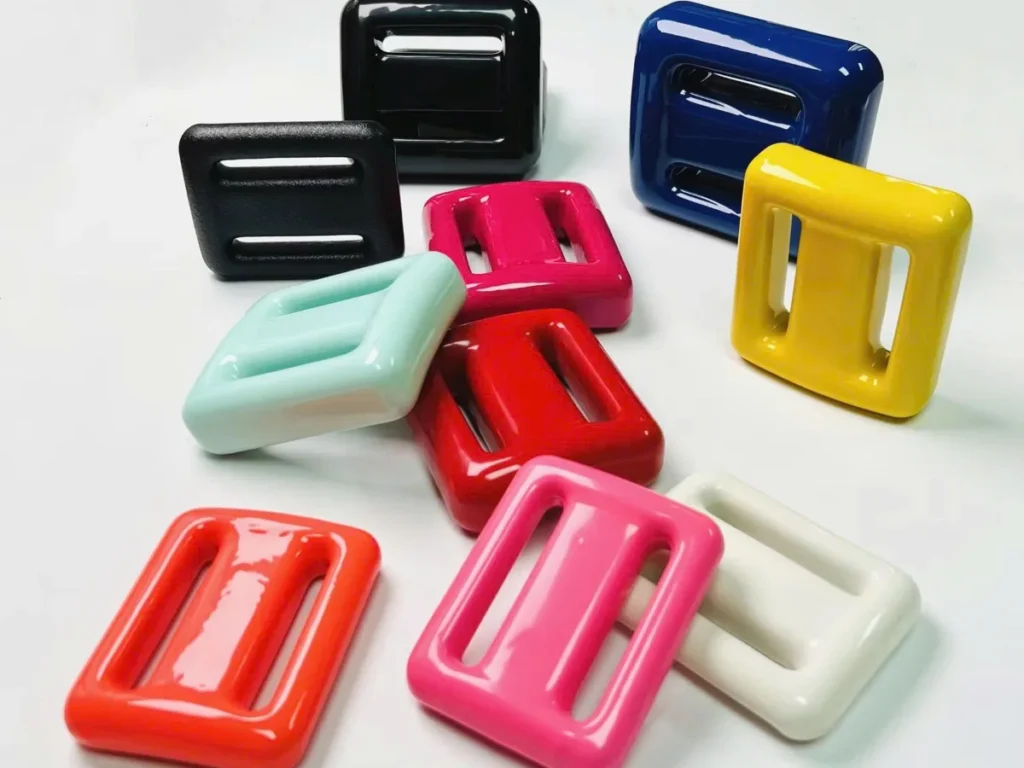
Most sinkers ship as raw lead, the lowest-cost finish. On request, any of our sinkers can be vinyl-dipped. The coating adds color, gives a softer surface and reduces grey marks on hands and gear, and one color per size makes sizes easy to tell apart. Coated sinkers are still lead products and should be labeled as such where your market requires it. More in coated lead weights.
Step 8: Packing
Packing is set by how you sell:
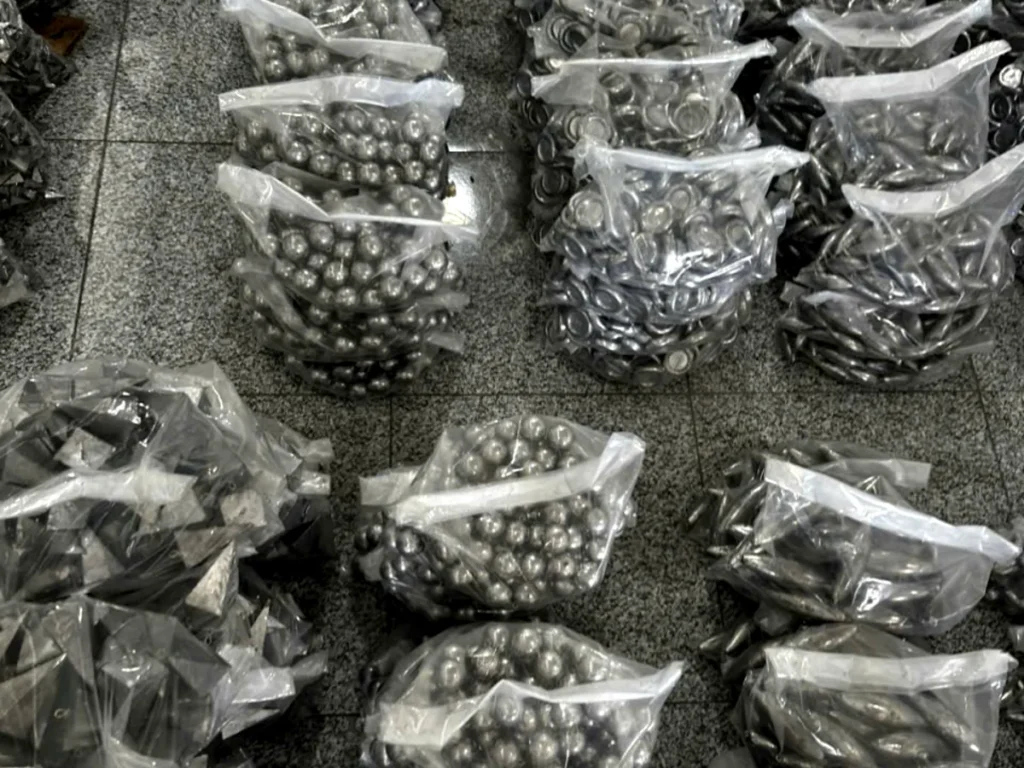
- Bulk bags for bait shops, distributors and your own repacking.
- Retail packs with a set count per bag, your header card or label and your barcode.
- Individual packs for heavy sinkers sold one at a time.
If you sell into California, retail packs need a Prop 65 lead warning. See private label sinker packaging for pack options.
Step 9: Cartons, pallets and the container
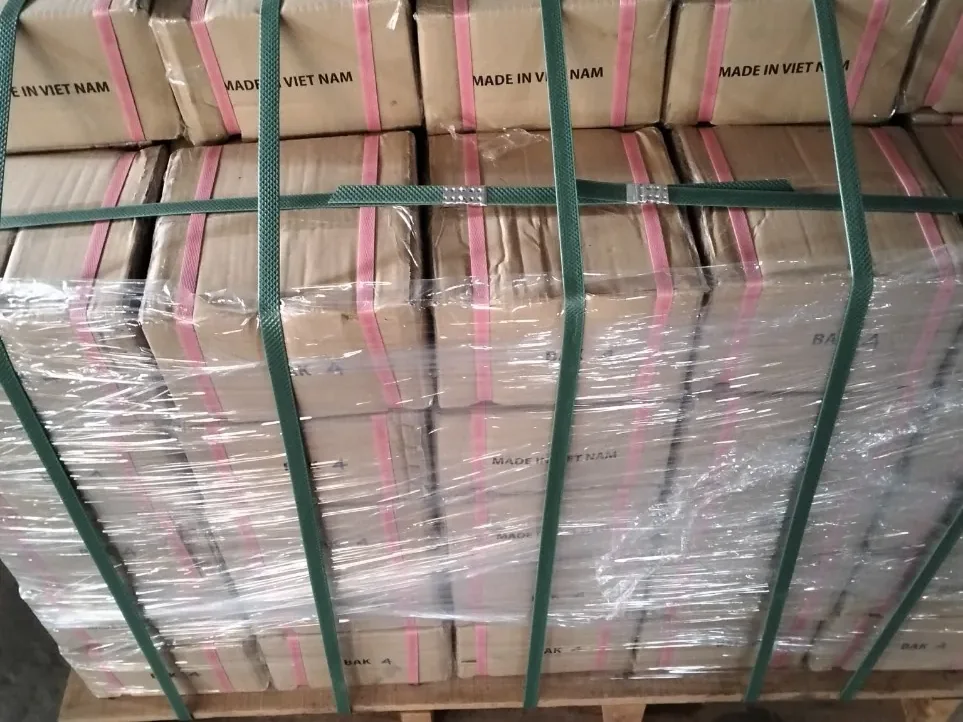
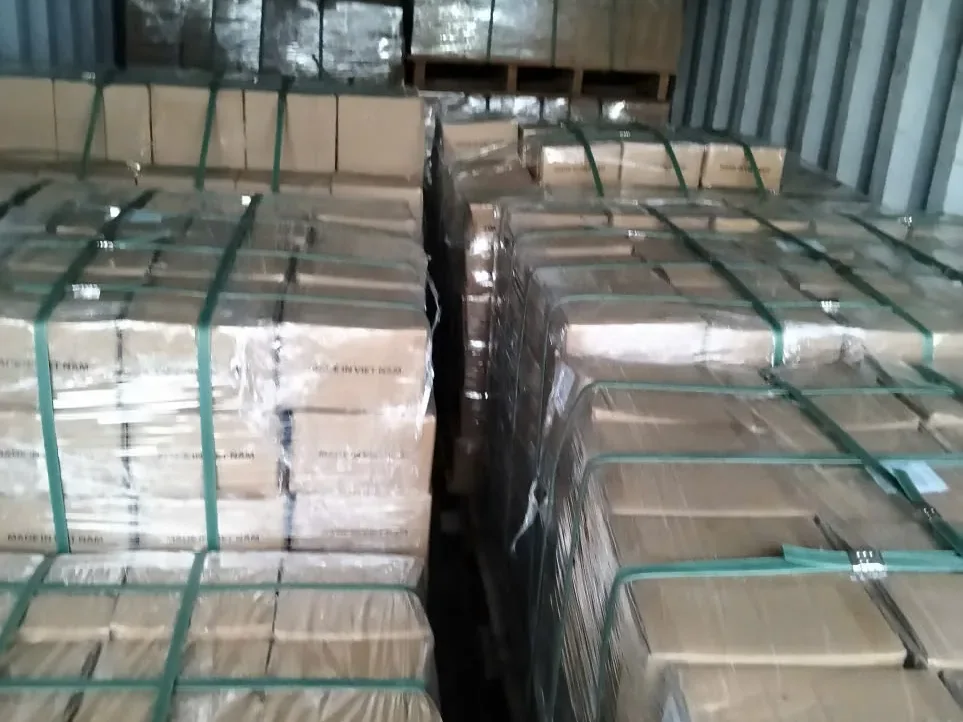
Lead is heavy, so cartons are packed to a safe weight rather than filled to the top. Cartons go onto pallets, are strapped and stretch-wrapped, and are loaded into the container. With sinkers, a container usually reaches its weight limit long before it is full by volume, so the load plan is worked out by weight.
We prepare the export paperwork, including a Certificate of Origin on request. The full import process is in how to import fishing sinkers from Vietnam.
How long it takes
| Stage | Time |
|---|---|
| Samples from existing molds | About 10 days |
| New shape | Mold first, then samples; timing in the quote |
| Production after sample approval | About 30 days |
| Minimum order | 3,000 lbs, split across shapes and sizes |
Frequently asked questions
What are fishing sinkers made of?
Most are cast lead, because it is dense, cheap and easy to cast. Lead-free sinkers use tungsten, steel, brass or bismuth, which cost more or are larger for the same weight. Some markets now restrict small lead sinkers; check the rules for where you sell.
Can you make a sinker shape I design?
Yes. Send a sample, photos or a drawing with dimensions and weights. We make the mold in-house, cast samples for your approval, and keep the mold for repeat orders.
Why is the size stamped on the sinker?
So sizes stay sorted after the pack is opened. It saves time for store staff and helps anglers pick the right weight.
Do you make finished sinkers or sell molds?
We make finished sinkers. Molds stay at our factory and are used for your production.
Get a quote
Send the shapes, sizes and quantity per size, the finish and how you want them packed, and we will reply with a price and sample timing. Use the Request a Quote form, or browse the types of fishing sinkers we make.
Fishing Sinker Quality Control: How We Check Weight, Size and Finish Before Shipping
Short answer: quality control for fishing sinkers comes down to eight checks: weight, dimensions, size marking, hardware (eyes, rings, wires), surface, finish, packing and labels, and cartons. Weight is the one that matters most, because weight is what the angler pays for. At Fides Fishing, every batch is weight-checked on a digital scale and key dimensions are measured with calipers before packing. This guide shows what each check covers, how to write it into your order, and how to sample a shipment.
What to check, and how
| Check | What a good sinker looks like | Tool |
|---|---|---|
| Weight | Within the tolerance on your order, for every size | Digital scale |
| Dimensions | Length, diameter, line hole and eye match the approved sample | Calipers |
| Size marking | Stamped size is correct and readable | Visual |
| Hardware | Eyes and rings firmly set; wire legs straight and capped | Visual, hand pull |
| Surface | No holes, cracks, missing edges or sharp seams | Visual |
| Finish | Even vinyl coat in the right color per size (if coated) | Visual, color reference |
| Packing and labels | Right count per bag, scannable barcode, required warnings | Count, barcode scanner |
| Cartons | Correct marks, safe weight, intact and strapped | Scale, visual |
1. Weight
A sinker sold as 2 oz should weigh 2 oz. In casting, weight can drift for a few reasons: a pour that does not fully fill the mold, extra lead left on the seam, or a worn mold. That is why weight is checked batch by batch, not just on the first sample.
How to check it:
- Use a digital scale that reads finer than your tolerance. For small sinkers, a scale that reads to 0.1 g is the right tool; for heavy sinkers and dive weights, a bench scale is enough.
- Weigh single pieces, not just a bag. A bag can hit its total weight while individual pieces are light and heavy.
- Check every size in the order, not only the biggest seller.
Write the tolerance into your purchase order, for example as plus or minus a percentage or a fixed number of grams per size, so both sides check against the same number. For conversions between ounces and grams, use our sinker weight chart.
2. Dimensions
Two sinkers can weigh the same and still be wrong for your customers. The dimensions that cause returns are:
- Eye inside diameter. It has to fit the snaps and swivels your customers use.
- Line hole on egg, bullet and coin sinkers. Too small and the line will not pass; rough edges can nick the line.
- Length and diameter on torpedo, sputnik and drop shot sinkers, which anglers choose partly by profile.
- Slot width on dive weights, so they thread onto standard weight belts.
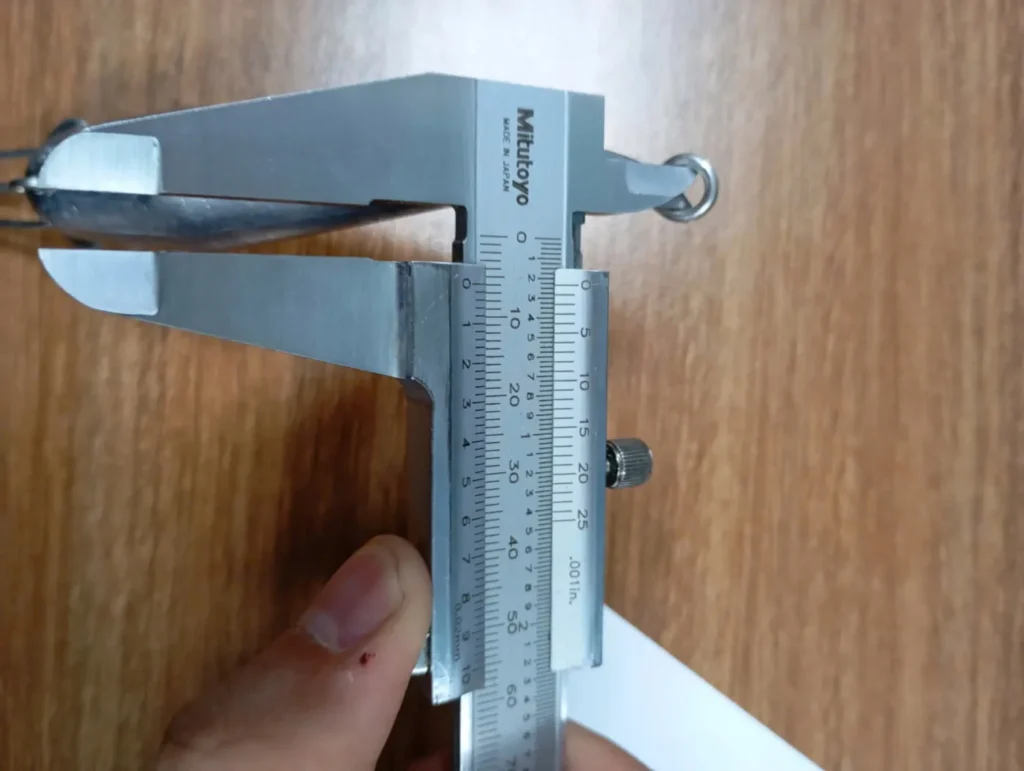
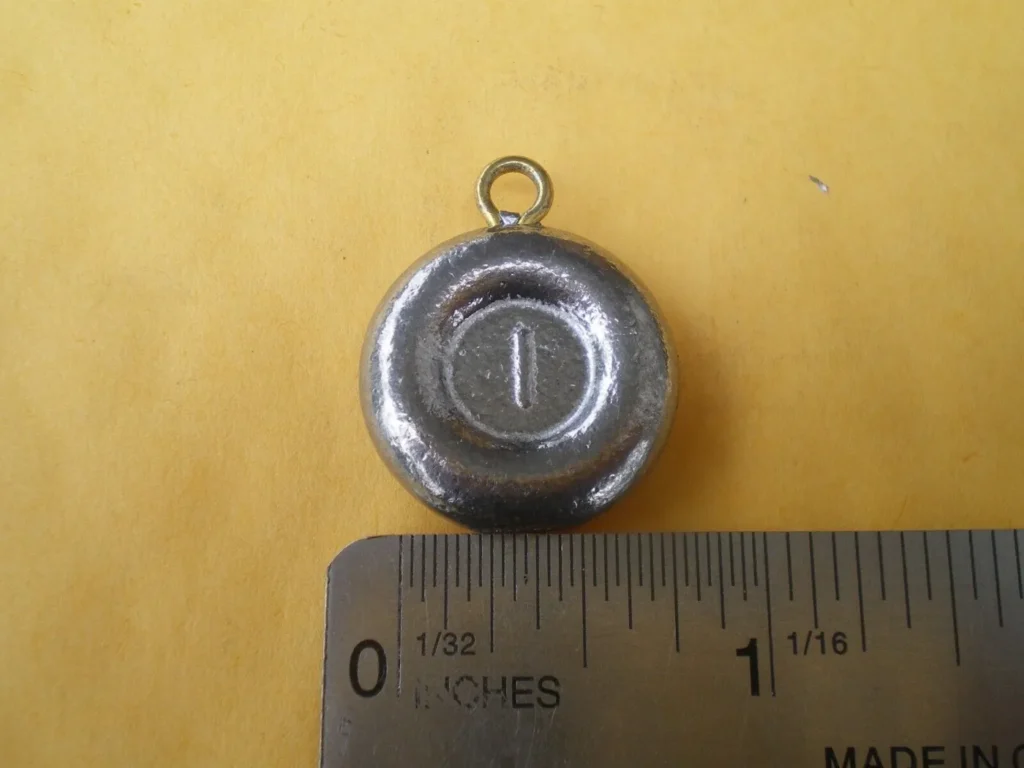
These are measured with calipers against the approved sample.
3. Size marking
We stamp the size on every sinker. The check is simple: the stamped size matches the actual weight, and it is readable. A sinker stamped 4 oz that weighs 3 oz is worse than an unmarked one, because it misleads the angler.
4. Hardware: eyes, rings and wires
For sinkers with hardware, check that eyes and rings are firmly set in the lead and do not turn or pull out by hand, and that sputnik wire legs are straight and fitted with their protective caps. If your market has heavy-use customers, such as surf or offshore anglers, agree a pull test in your order.
5. Surface
Look for casting defects: small holes (porosity), cracks, missing corners and sharp seams along the mold line. A sharp seam on a sinker can cut line or fingers. Raw lead is naturally dull grey and can darken over time; that is normal and not a defect.
6. Finish (vinyl-dipped sinkers)
If you order vinyl-dipped sinkers, check that the coating covers the whole sinker, has no bare spots or drips, and that each size has the right color. Agree a color reference with your supplier before production. More on coated sinkers in coated lead weights.
7. Packing and labels
Packing errors cost as much as casting errors, because they reach the shelf. Check:
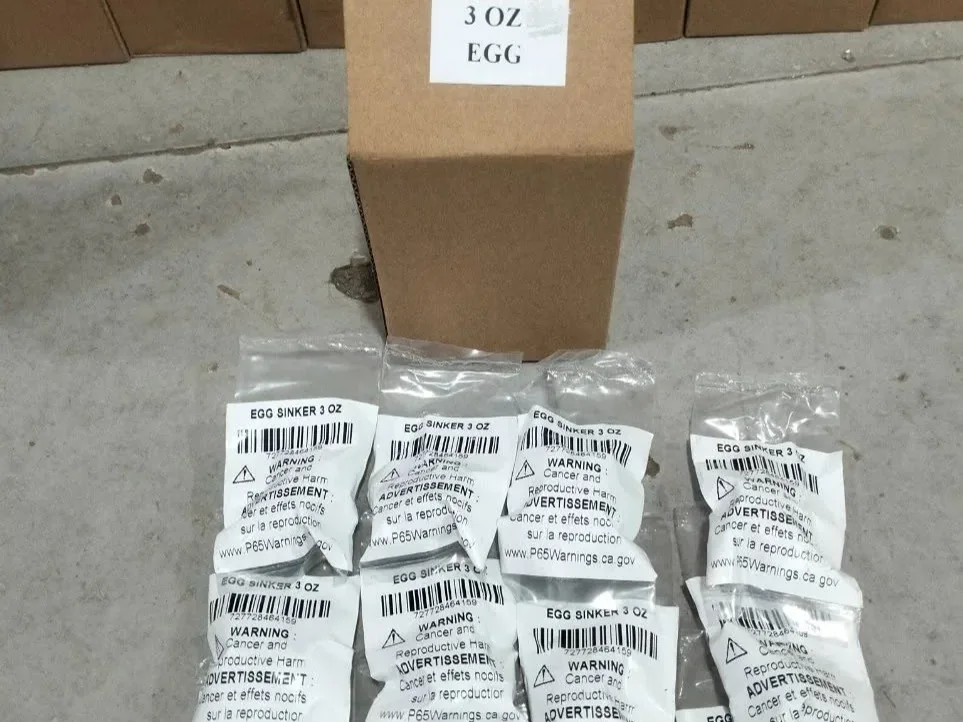
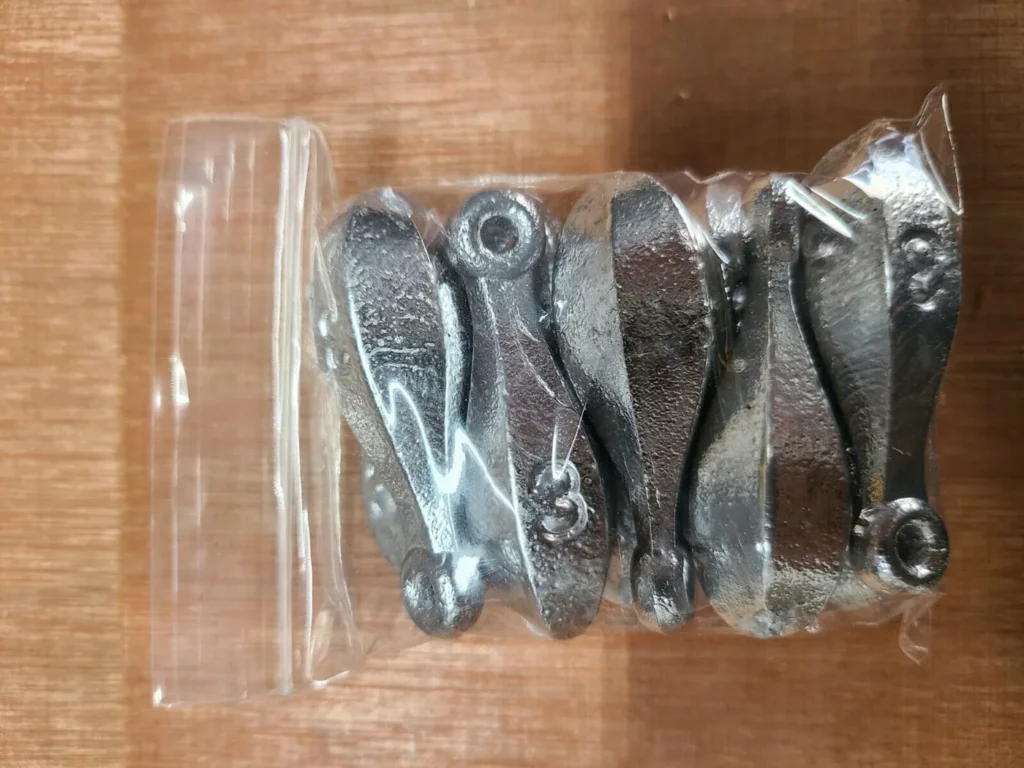
- Count per pack. Weigh a sample of packs; a short pack shows up as a light bag.
- No mixed sizes in a bag or carton.
- Barcodes scan and match the SKU.
- Warnings. Packs sold in California need a Prop 65 lead warning; other markets have their own rules on lead tackle.
8. Cartons and loading
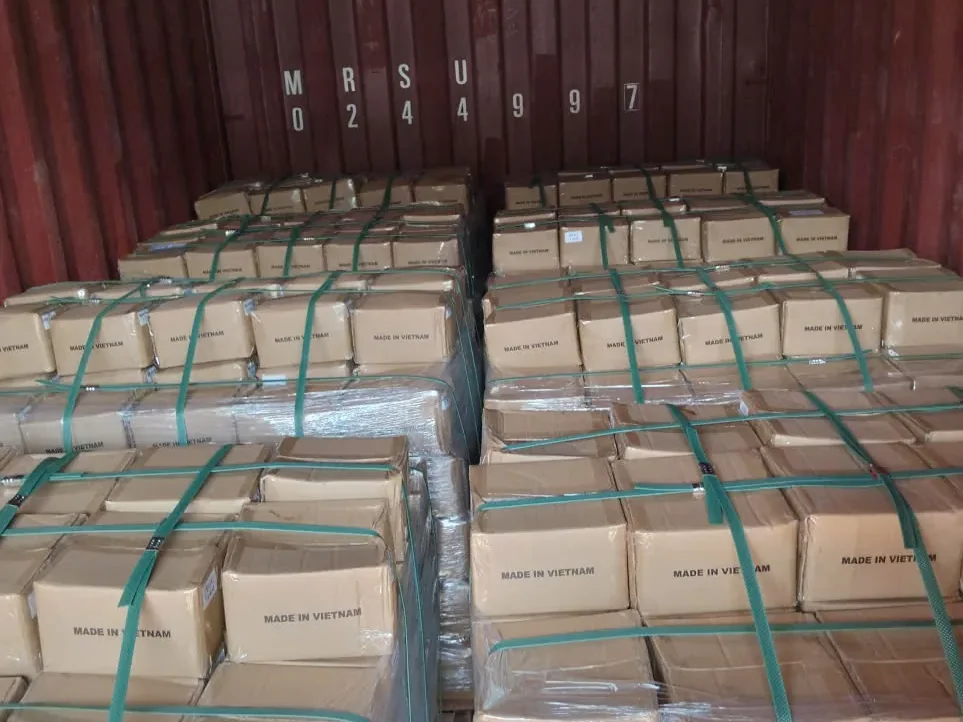
Lead is heavy, so cartons need to be strong and packed to a weight that handlers can move safely. Check carton marks (SKU, size, quantity, carton number), that cartons are intact, and that pallets are strapped and wrapped before the container is closed.
How many pieces to check
You cannot weigh every sinker in a 3,000 lb order, so inspections check a sample. Many buyers use the sampling tables in ISO 2859-1 (often called AQL sampling): the lot size sets how many pieces are checked, and the AQL you choose sets how many defects are allowed before the lot fails. Buyers often set a stricter level for defects that matter to the angler, such as wrong weight or a loose eye, and a looser level for cosmetic marks. Agree the sampling plan before production, so the inspection is not a surprise to either side.
What to put in your purchase order
- Weight per size and the tolerance, in grams or ounces.
- The approved sample as the reference for shape, dimensions and marking.
- Eye size or the snap it must fit, and any pull test.
- Finish and color per size, if coated.
- Count per pack, barcodes and the warnings each market needs.
- Carton marks, maximum carton weight and pallet requirements.
- The sampling plan and who inspects: you, the factory, or a third-party inspection company.
Frequently asked questions
How do you check sinker weight at the factory?
Every batch is weighed on a digital scale before packing, and key dimensions are measured with calipers. Sizes are stamped on each sinker, so the stamp can be checked against the weight.
Can I send my own inspector?
Yes. You or a third-party inspection company can inspect before shipment. Tell us when you order so we can plan the inspection date before loading.
Why do some sinkers in a bag weigh more than others?
Small variations come from casting. The tolerance in your order sets how much variation is acceptable, and batch weight checks keep each size within it.
Does the coating change the weight?
Vinyl adds a little weight. If you order coated sinkers, say whether the stated weight is before or after coating.
See how it is made
Every check above happens at a step in production. To see where, read how fishing sinkers are made. To start an order, use the Request a Quote form.
Sourcing Fishing Sinkers: Vietnam vs China (2026 Buyer’s Comparison)
Short answer: China still has the largest base of sinker factories and the widest choice of ready-made shapes. Vietnam is the main alternative for buyers who want to lower US duty exposure and spread supply risk: as of October 2026, many Chinese-origin goods entering the US still carry the older China-specific Section 301 duties, which do not apply to Vietnamese-origin goods. For Canada, Mexico, Australia and New Zealand, Vietnam’s membership of the CPTPP trade agreement can also help. Lead times are similar: samples in about 10 days and production in about 30 days at a Vietnamese factory such as Fides Fishing.
Tariff rules change often. The duty notes below reflect our understanding as of October 2026 and are not legal or customs advice. Always confirm the rate for your exact HTS code with a licensed customs broker before ordering.
Vietnam vs China at a glance
| Factor | Vietnam | China |
|---|---|---|
| US import duties | Fewer duty layers on Vietnamese-origin goods | Older China-specific Section 301 duties apply to many goods, on top of newer tariffs |
| Canada, Mexico, Australia, NZ | CPTPP member; preferential rates may apply | Not a CPTPP member |
| Number of suppliers | Smaller, more specialized base | Very large base, many trading companies |
| Ready-made shapes | Common shapes in stock; custom shapes made in-house | Very wide catalogs |
| Samples / production | About 10 days / about 30 days (Fides Fishing) | Often similar |
| Communication | Depends on supplier; Fides has an English-speaking export team | Depends on supplier |
1. Import duties
For US buyers, duty is the biggest difference. In 2026 the US moved from emergency (IEEPA) tariffs to tariffs under other laws, and the picture keeps shifting. One point has stayed constant: the China-specific Section 301 duties first applied in 2018–2019 still cover a large share of Chinese-origin goods, and newer tariffs are added on top. Vietnamese-origin goods do not carry those older China-specific duties.
Fishing sinkers usually fall under HTS heading 9507 (fishing tackle). Ask your broker whether your exact code is covered by the China Section 301 lists, and for the full stack of duties from each country, before you compare quotes. A lower factory price from one country can disappear once duty is added.
2. Trade agreements for Canada, Mexico, Australia and New Zealand
Vietnam, Canada, Mexico, Australia and New Zealand are all members of the CPTPP. For qualifying goods, the agreement can reduce or remove import duty. Australia and New Zealand also trade with Vietnam under the ASEAN–Australia–New Zealand agreement (AANZFTA). Ask your broker which agreement applies and which origin document they need. We provide a Certificate of Origin on request.
3. Origin must be real
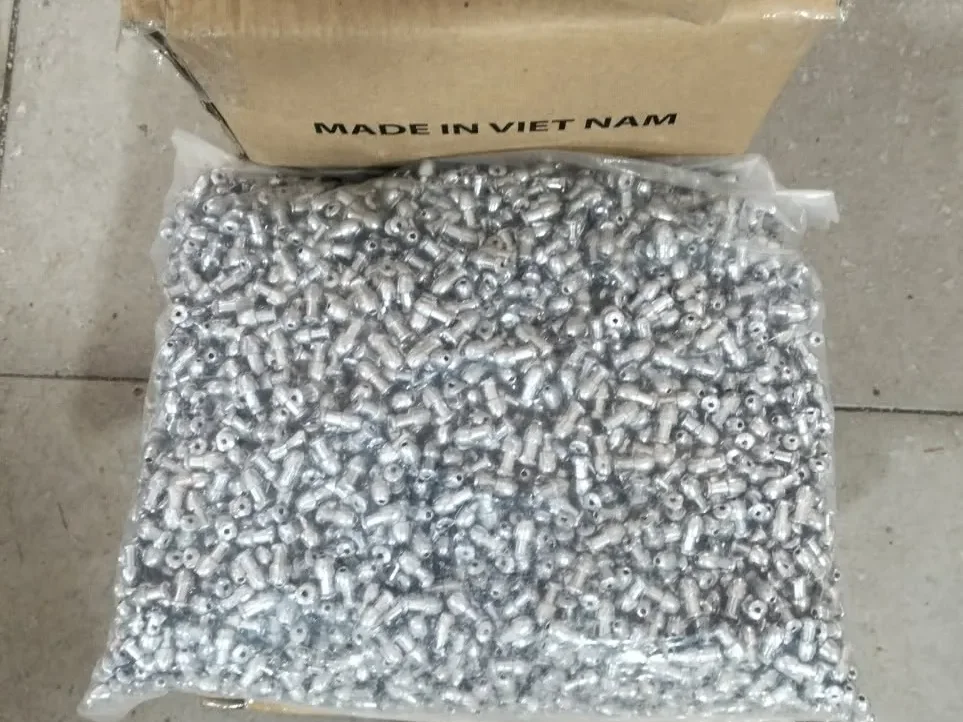
Customs authorities look closely at goods that are only repacked or lightly processed in a third country. Lower duty applies only if the sinkers are actually made in Vietnam. Ask any supplier where the lead is cast, and visit or video-call the factory. At Fides Fishing, sinkers are cast, size-stamped, weight-checked and packed in our own facility in Vietnam. See inside our factory.
4. Supplier choice and product range
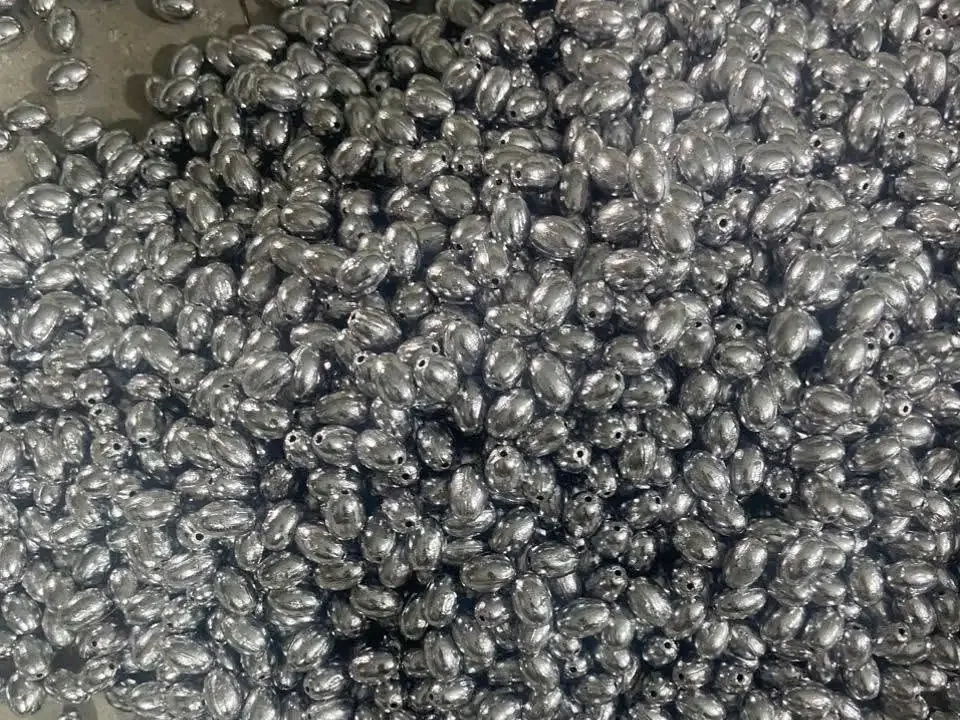
China wins on the sheer number of suppliers and ready-made shapes. Vietnam has fewer sinker makers, so it pays to pick one that already makes the shapes your market needs. We make 17 sinker types, from 1/16 oz bullet sinkers to 15 lb deep drop weights, plus lead dive weights and lead jigs (see types of fishing sinkers). New shapes can be made from your sample or drawing.
5. MOQ and lead time
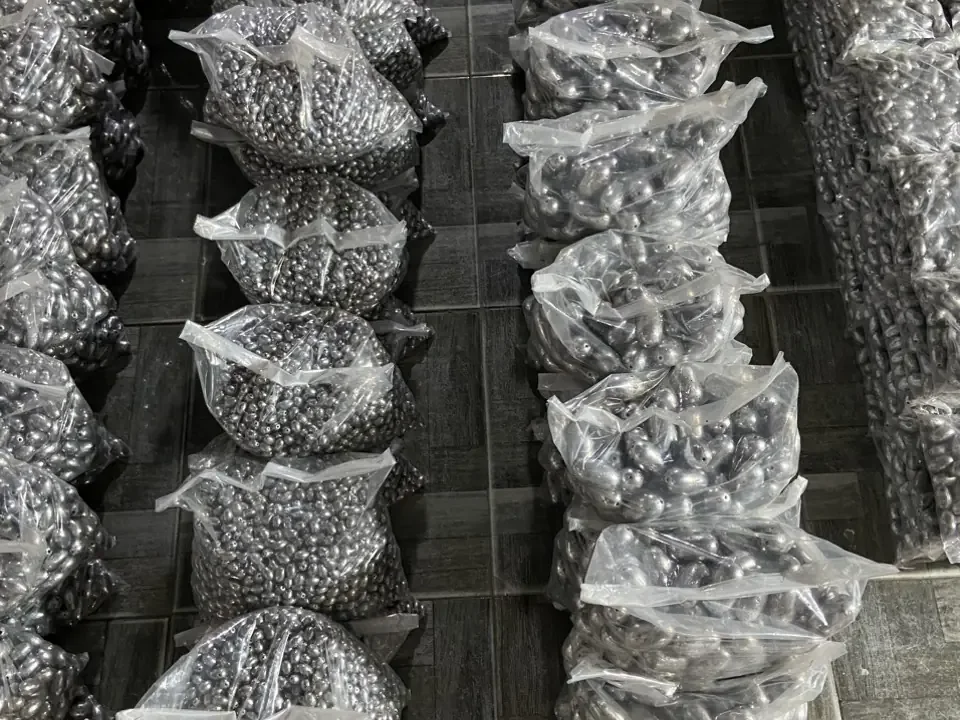
Our minimum is 3,000 lbs for sinkers, 2,500 pcs for dive weights and 3,000 pcs for lead jigs. Samples take about 10 days and production about 30 days (about 2 months for jigs). These are close to what buyers are used to from China, so moving or splitting supply does not have to slow your season.
6. Diversify, don’t just switch
Many buyers keep a Chinese supplier for some items and move their bestselling sinkers to Vietnam. That lowers duty on the highest-volume items and gives a second source if one country faces new tariffs or delays. Start with one container of your top shapes, compare landed cost and quality, then expand.
Checklist for moving sinker orders to Vietnam
- List your top 10–20 SKUs by volume.
- Get landed-cost quotes (price + freight + full duty stack) from both countries.
- Confirm the factory casts in Vietnam; ask for photos or a video call.
- Approve samples against your current stock.
- Confirm packaging, labels and any Prop 65 text before production.
- Ask for a Certificate of Origin if your broker needs one.
Our step-by-step guide on how to import fishing sinkers from Vietnam covers each stage in detail.
Whichever country you source from, the checks that protect your brand are the same. Our guide to fishing sinker quality control lists what to put in your purchase order.
FAQ
Are fishing sinkers cheaper from Vietnam or China?
Factory prices are often similar. For US buyers, the landed cost is often lower from Vietnam when the China-specific Section 301 duties apply to your product code. Compare landed cost, not factory price.
What are the tariffs on fishing sinkers from Vietnam?
Rates change often in 2026. Ask a licensed customs broker for the current rate on your HTS code (usually under heading 9507) before you order.
Can Vietnam make the same sinker shapes as China?
Yes, for common shapes. Fides Fishing makes 17 sinker types and can make new shapes from your sample or drawing.
Is lead time longer from Vietnam?
No. At Fides Fishing, samples take about 10 days and production about 30 days, similar to typical Chinese lead times.
Do you provide a Certificate of Origin?
Yes, on request.
Want to compare landed costs? Send us your top SKUs and we will quote in time for your broker to run the numbers.
How to Import Fishing Sinkers from Vietnam: MOQ, Lead Time & Export Documents
Short answer: to import fishing sinkers from Vietnam, you send a request for quote with shapes, sizes and quantities, approve samples (about 10 days), then the factory produces your order (about 30 days), packs it under your brand and loads the container. At Fides Fishing the minimum order for sinkers is 3,000 lbs, and we prepare the export paperwork for you, including a Certificate of Origin on request.
This guide walks through each step so you know what to prepare, how long it takes and what you receive. It is written for importers, distributors and tackle brands in the United States, Canada, Mexico, Australia and New Zealand.
Importing sinkers from Vietnam at a glance
| Item | Fides Fishing |
|---|---|
| Products | Lead fishing sinkers, lead dive weights, lead jigs & lures |
| MOQ | Sinkers 3,000 lbs · Dive weights 2,500 pcs · Jigs 3,000 pcs |
| Samples | About 10 days |
| Production | About 30 days (sinkers, dive weights) · about 2 months (jigs) |
| Finish | Raw lead; vinyl dip on request |
| Branding | Size stamped on the sinker, packed under your brand |
| Documents | Commercial invoice, packing list, Certificate of Origin (CO) on request |
| Markets we ship to | United States, Canada, Mexico, Australia, New Zealand |
Step 1: Send a request for quote
A good RFQ gets you an accurate price on the first reply. Include:
- Shapes, for example pyramid, bank, egg or bullet sinkers.
- Sizes and quantity per size, in ounces or grams.
- Finish: raw lead, or vinyl-dipped and the color.
- Packaging: bulk bags, small retail packs or your own printed packaging.
- Destination port and the Incoterm you prefer (for example FOB or CIF).
Not sure which shapes your market needs? Send photos of what you sell today. We work from samples, photos or drawings. You can use our Request a Quote form or email mkt2@haiduongmp.com.
Step 2: Approve samples (about 10 days)
Before production we make samples so you can check weight, shape, size marking and finish. Samples are ready in about 10 days. Check them against your current stock and confirm in writing; the approved sample becomes the reference for the whole order.
Step 3: Production (about 30 days)
Sinkers are cast in-house, with the size stamped on each piece. Every batch is weight-checked before packing. Production for sinkers and dive weights takes about 30 days after sample approval; custom lead jigs take about 2 months because of painting and hook assembly.
Step 4: Packing under your brand
Sinkers can be packed in bulk bags inside cartons, or in small retail packs with your header card, logo and barcode. Large weights can be packed individually. If you sell into California, tell us the Proposition 65 warning text you use and we print it on your packaging. See OEM & private label for options.
Step 5: Export documents and container loading
We handle the export side in Vietnam: customs declaration, commercial invoice, packing list and, on request, a Certificate of Origin. Cartons are palletized and loaded into the container at the factory.
Lead is dense, so a container of sinkers usually reaches its weight limit long before it is full. Ask us to plan the load so you get the most product per container within your road weight limits.
Tip for Canada, Mexico, Australia and New Zealand: these countries and Vietnam are all members of the CPTPP trade agreement. Ask your customs broker whether a preferential duty rate applies to your products and which origin document they need.
Step 6: Receiving and reordering
Your broker clears the goods at the destination port. For reorders, the approved sample and packaging files are on record, so you only confirm quantities; samples are not needed again unless you change the product.
How much does a 3,000 lb MOQ really cover?
3,000 lbs is about 1,360 kg. In pieces, that is roughly:
| Sinker size | Approx. pieces in 3,000 lbs |
|---|---|
| 1 oz | 48,000 |
| 2 oz | 24,000 |
| 4 oz | 12,000 |
| 8 oz | 6,000 |
Tell us the mix of shapes and sizes you need and we will confirm it in the quote. For more conversions, see our sinker weight chart.
Before you approve samples, it helps to know what happens in production and what to check on arrival: see how fishing sinkers are made and fishing sinker quality control.
FAQ
What is the minimum order for fishing sinkers from Fides Fishing?
3,000 lbs for sinkers. Dive weights start at 2,500 pcs and lead jigs at 3,000 pcs.
How long does it take to import sinkers from Vietnam?
About 10 days for samples and about 30 days for production, plus ocean transit to your port. Lead jigs take about 2 months to produce.
Do you provide a Certificate of Origin?
Yes, a Certificate of Origin is available on request, together with the commercial invoice and packing list.
Can the sinkers carry my brand?
Yes. The size is stamped on each sinker, and we pack in your own bags, header cards or boxes with your logo and barcode.
Do you sell sinker molds?
No. We sell finished lead products only. Molds are made and kept in-house for production.
Which countries do you ship to?
Our main markets are the United States, Canada, Mexico, Australia and New Zealand.
Ready to start? Send your list of shapes and sizes through our quote form and we will reply with prices, sample timing and a shipping plan.
Coated Lead Weights Manufacturing in Vietnam
Short answer: coated lead weights are lead sinkers or dive weights dipped in vinyl. The coating adds color, gives a softer surface that is kinder to boats, gear and hands, and reduces grey lead marks. At Fides Fishing, any of our lead sinkers can be vinyl-dipped on request, and our dive weights come bare or vinyl-dipped. Samples take about 10 days and production about 30 days.
Coated vs raw lead weights
| Raw lead | Vinyl-coated lead | |
|---|---|---|
| Look | Natural grey | Choice of colors |
| Feel | Hard metal surface | Smooth, softer surface |
| Lead marks on hands and gear | Yes | Much less |
| Size coding by color | No | Yes |
| Cost | Lowest | Higher (extra dipping step) |
| Best for | Bulk, bait shops, price-driven lines | Retail packs, dive shops, premium lines |
Which products can be coated?
- Fishing sinkers: pyramid, bank, egg, bullet, coin, torpedo and other shapes, vinyl dip on request. See types of fishing sinkers.
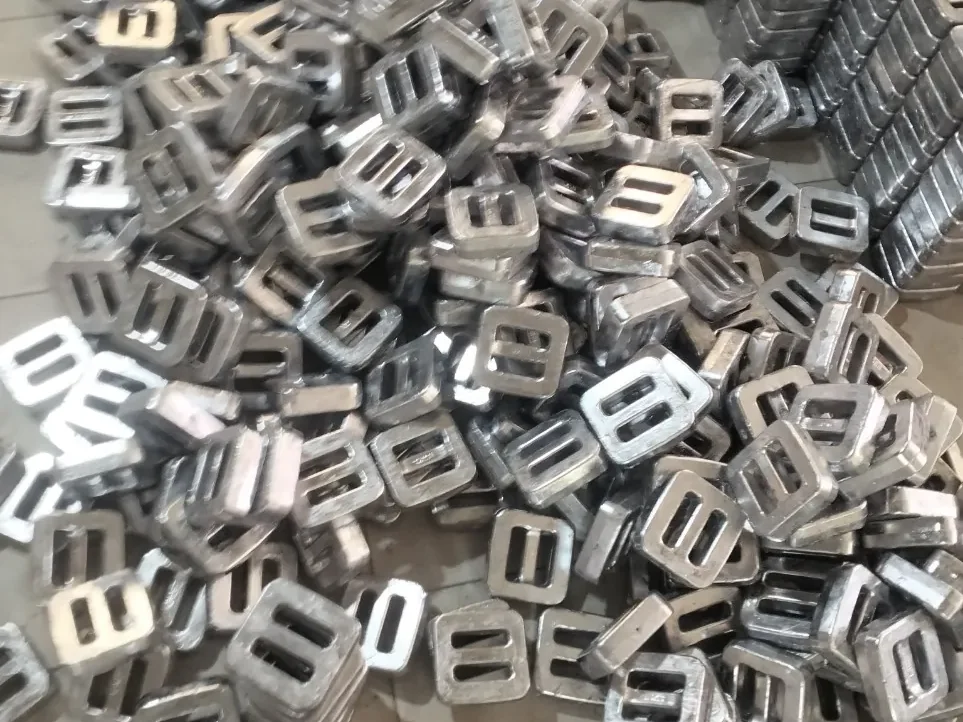
- Dive weights: 1–5 lb belt weights, bare lead or vinyl-dipped. See coated dive weights.
The coating covers the lead. It does not change what the product is made of, so coated weights are still lead products and should be labeled as such where your market requires it.
Why buyers choose coated weights
- Cleaner retail look. Colored weights stand out in a pack and on a peg.
- Size coding. One color per size helps anglers, divers and shop staff pick the right weight fast.
- Kinder to gear. Vinyl is softer on boat decks, wetsuits, BCDs and rod finishes.
- Brand colors. Match the coating to your brand for private-label lines.
How coated weights are made
- Casting: the weight is cast in lead in-house and the size is stamped on it.
- Weight check: every batch is weight-checked before finishing.
- Dipping: the weight is dipped in vinyl in the agreed color and left to cure.
- Packing: weights are packed by size in bulk bags, retail packs or cartons under your brand.
Ordering coated lead weights from Fides Fishing
| Item | Details |
|---|---|
| MOQ | Sinkers 3,000 lbs · Dive weights 2,500 pcs |
| Samples | About 10 days |
| Production | About 30 days |
| Documents | Commercial invoice, packing list, Certificate of Origin on request |
| Markets | United States, Canada, Mexico, Australia, New Zealand |
Send your shapes, sizes and color references (Pantone or a physical sample) and we will confirm color matching on the samples. The full import process is explained in how to import fishing sinkers from Vietnam.
Coating is one step in a longer process. See how fishing sinkers are made for every step from mold to container, and fishing sinker quality control for the checks on coated and raw sinkers.
FAQ
What are coated lead weights?
Lead sinkers or dive weights dipped in vinyl for color and a softer surface.
Are coated weights still lead?
Yes. The vinyl covers the lead but the weight itself is lead.
Can I choose the color?
Yes. Send a color reference and we match it on the samples before production.
Do coated weights cost more?
Yes, a little more than raw lead, because of the extra dipping step.
Can I mix coated and raw weights in one order?
Yes. Many buyers order raw lead for bulk lines and coated weights for retail packs in the same container.
Ready to price a coated line? Request a quote with your shapes, sizes and colors.
Custom Sinker Manufacturing in Vietnam
Short answer: custom sinker manufacturing means a factory casts lead sinkers to your shape, weight and finish and packs them under your brand. At Fides Fishing in Vietnam, you can choose from 17 existing sinker types or send your own sample or drawing. Every sinker is size-stamped and every batch is weight-checked. The minimum order is 3,000 lbs, samples take about 10 days and production about 30 days.
What you can customize
| Option | Choices |
|---|---|
| Shape | Pyramid, bank, egg, bullet, sputnik, coin, torpedo, downrigger and more, or your own design |
| Weight | From 1/16 oz to 15 lb |
| Finish | Raw lead; vinyl dip in your colors on request |
| Marking | Size stamped on each sinker |
| Packing | Bulk bags, retail packs, individual packs with barcode |
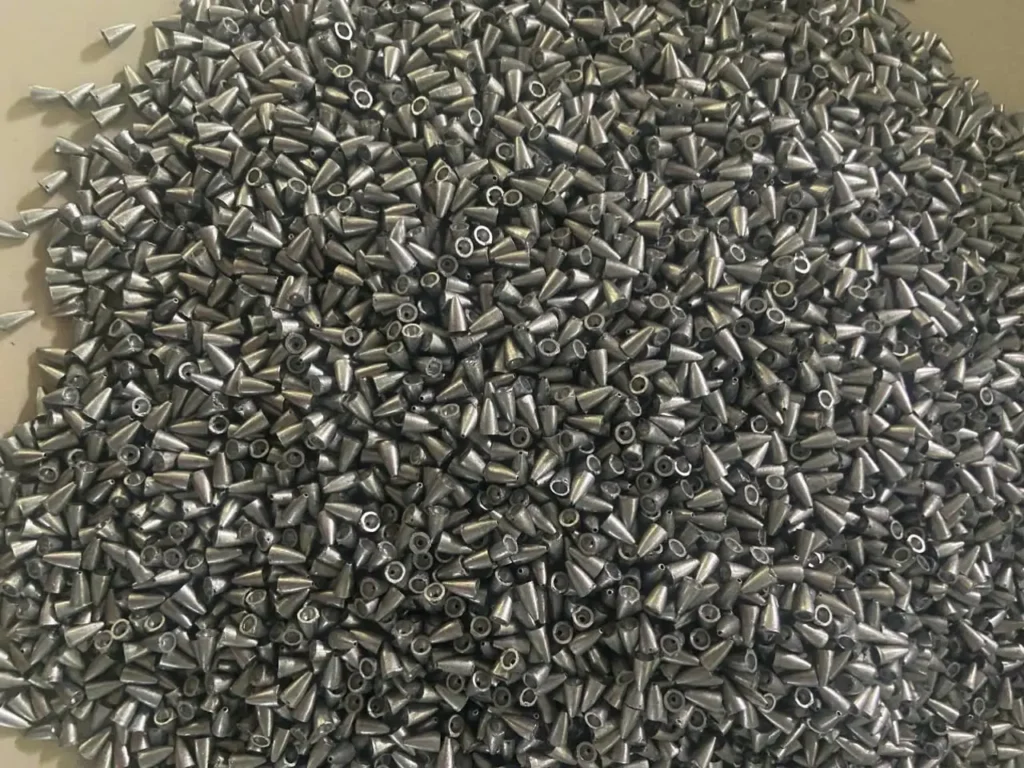
How a custom sinker order works
- Send the spec: shape, sizes in oz or grams, quantity per size, finish and packing.
- Quote: price per lb or per piece, sample timing, and any tooling cost for a new shape.
- Samples (about 10 days): check weight, shape and size marking against your current stock.
- Production (about 30 days): casting, size stamping, batch weight checks, vinyl dip if chosen.
- Packing and export: under your brand, with export documents and a Certificate of Origin on request.
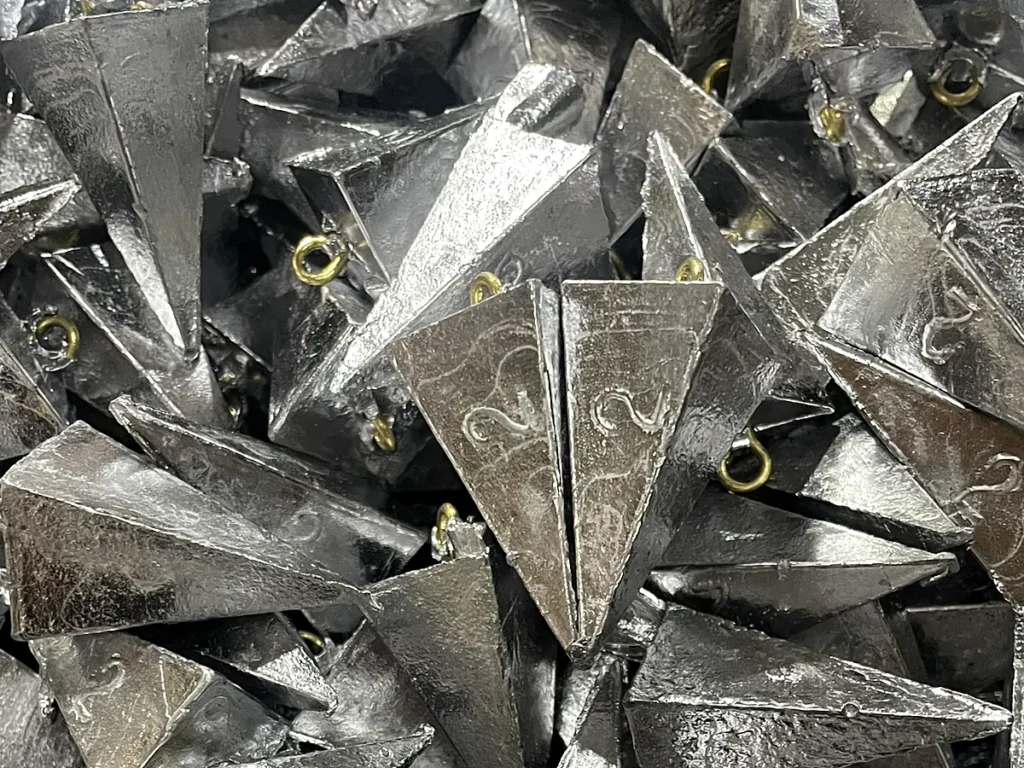
Why size stamping and weight checks matter
Anglers and store staff cannot tell 3 oz from 4 oz by eye. A stamped size keeps stock sorted after the pack is opened, and batch weight checks keep each size consistent from order to order. Weight conversions are in our sinker weight chart.
How far does 3,000 lbs go?
| Sinker size | Approx. pieces in 3,000 lbs |
|---|---|
| 1 oz | 48,000 |
| 2 oz | 24,000 |
| 4 oz | 12,000 |
| 8 oz | 6,000 |
You can split the minimum across several shapes and sizes; we confirm the mix in the quote.
Want to see each step on the factory floor? Read how fishing sinkers are made. For the weight, size and packing checks behind every batch, see our guide to fishing sinker quality control.
FAQ
Can you make a sinker shape that is not on your website?
Yes. Send a sample, photo or drawing with the weights you need.
What is the MOQ for custom sinkers?
3,000 lbs, which can be split across shapes and sizes.
How long does production take?
About 30 days after sample approval.
Are the sinkers lead?
Yes. All our sinkers are lead, raw or vinyl-dipped.
Do you sell the molds?
No. Molds stay at our factory for your production.
Send your sinker list and request a quote.
Why Choose a Vietnam OEM/ODM Fishing Tackle Factory?
Short answer: brands choose a Vietnam OEM/ODM fishing tackle factory to diversify away from a single country, to benefit from Vietnam’s duty position and trade agreements, and to work factory-direct. The key is to pick a factory that actually makes the product in Vietnam. Fides Fishing casts lead sinkers, dive weights and lead jigs in its own facility, packs under your brand and handles export paperwork.
Five reasons to choose a Vietnamese tackle factory
| Reason | What it means for you |
|---|---|
| Duty position | As of October 2026, Vietnamese-origin goods entering the US do not carry the China-specific Section 301 duties that apply to many Chinese goods. Confirm your code with a broker. |
| Trade agreements | Vietnam, Canada, Mexico, Australia and New Zealand are CPTPP members; qualifying goods may get lower duty. |
| Diversification | A second country of supply protects your season from delays or new tariffs. |
| Factory-direct | You talk to the people who make the product. |
| Lead times | Samples about 10 days, production about 30 days at Fides Fishing. |
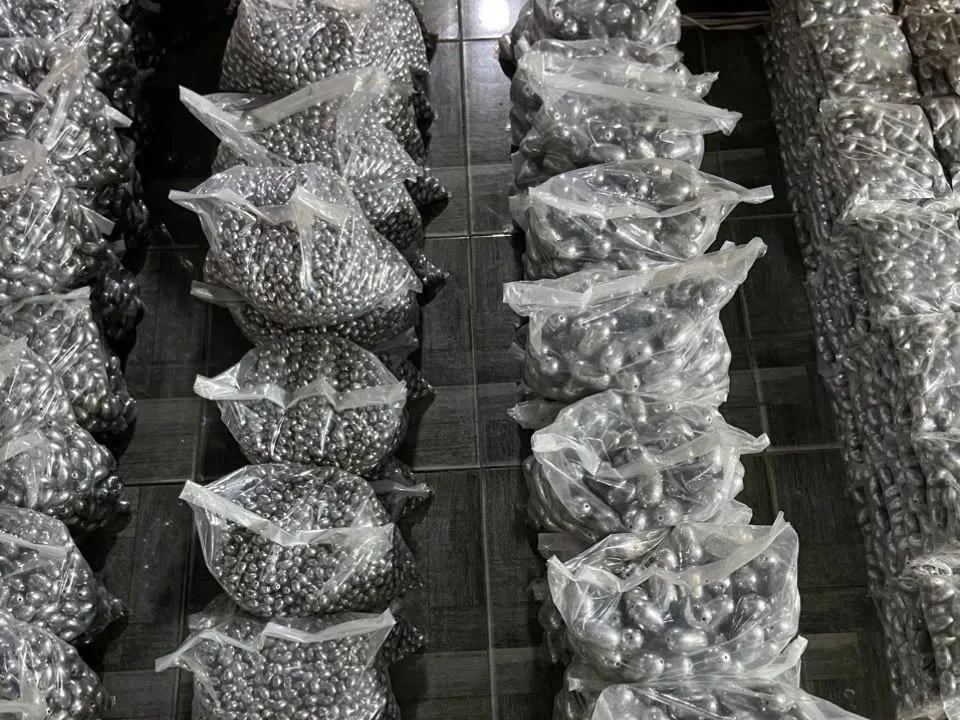
OEM or ODM?
ODM: choose from shapes we already make, packed under your brand. OEM: we make your own design from a sample or drawing. Both are explained in OEM & ODM fishing tackle services.
How to vet a Vietnamese factory
- Origin: ask where the product is cast. Repacked goods may not qualify for Vietnamese origin.
- Video call: see casting, finishing and packing live.
- Samples: check weight, shape and markings against your current stock.
- Documents: confirm who prepares export documents and the Certificate of Origin.
- Communication: make sure specs and changes are confirmed in writing.
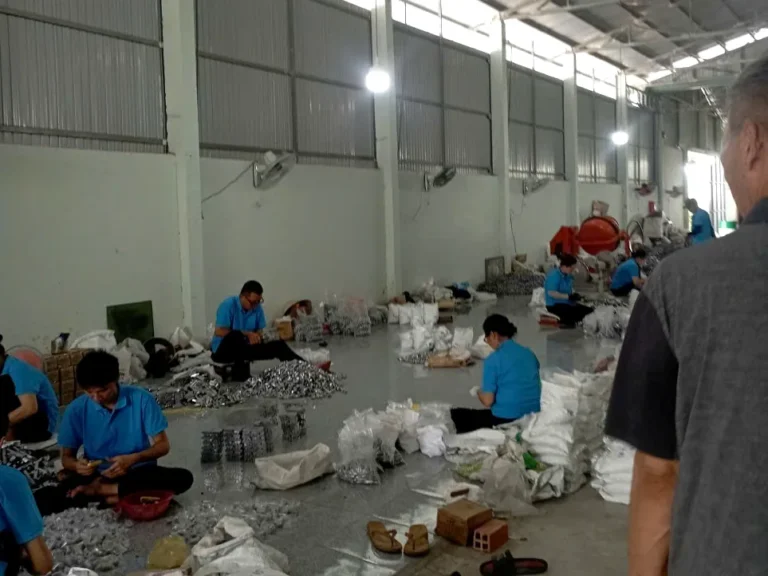
What Fides Fishing makes
- Lead fishing sinkers: 17 types, MOQ 3,000 lbs
- Lead dive weights: 1–5 lb, MOQ 2,500 pcs
- Lead jigs & lures: 15–920 g, MOQ 3,000 pcs, about 2 months
All products are lead; we sell finished products, not molds. For a side-by-side with China, read fishing sinkers: Vietnam vs China.
FAQ
Is fishing tackle from Vietnam cheaper?
Factory prices are often similar to other Asian sources; landed cost into the US can be lower when China-specific duties would apply. Compare landed cost.
How long does an order take?
About 10 days for samples and about 30 days for production (about 2 months for jigs).
Which markets do you ship to?
United States, Canada, Mexico, Australia and New Zealand.
Can I visit the factory?
Contact us to arrange a factory visit or a video call.
Request a quote to compare landed costs.
Avoid High Tariffs and Keep Quality: Choose Fishing Tackle from Vietnam
Short answer: buying fishing tackle made in Vietnam can lower US duty exposure, because, as of October 2026, Vietnamese-origin goods do not carry the China-specific Section 301 duties that still apply to many Chinese goods. To keep quality, work with a factory that actually makes the product in Vietnam, approve samples against your current stock, and agree on packing and documents before production. Tariff rules change often, so confirm your exact rate with a licensed customs broker.
Where the savings come from
| Cost line | What to compare |
|---|---|
| Factory price | Often similar between Vietnam and China |
| US import duty | China-specific Section 301 duties apply to many Chinese goods, not to Vietnamese-origin goods |
| Other markets | Canada, Mexico, Australia, New Zealand: CPTPP may lower duty on qualifying Vietnamese goods |
| Freight | Similar ocean routes to North America and Oceania |
Compare landed cost (price + freight + all duties), not factory price. A full comparison is in fishing sinkers: Vietnam vs China.
How to keep quality when you switch
- Real origin: lower duty applies only if the product is made in Vietnam. Ask where it is cast and see it on a video call.
- Samples: compare weight, shape, finish and size marking with what you sell today.
- Written spec: the approved sample becomes the reference for the order.
- Batch checks: at Fides Fishing every batch is weight-checked before packing.
- Packaging proof: approve artwork and warning text before production.
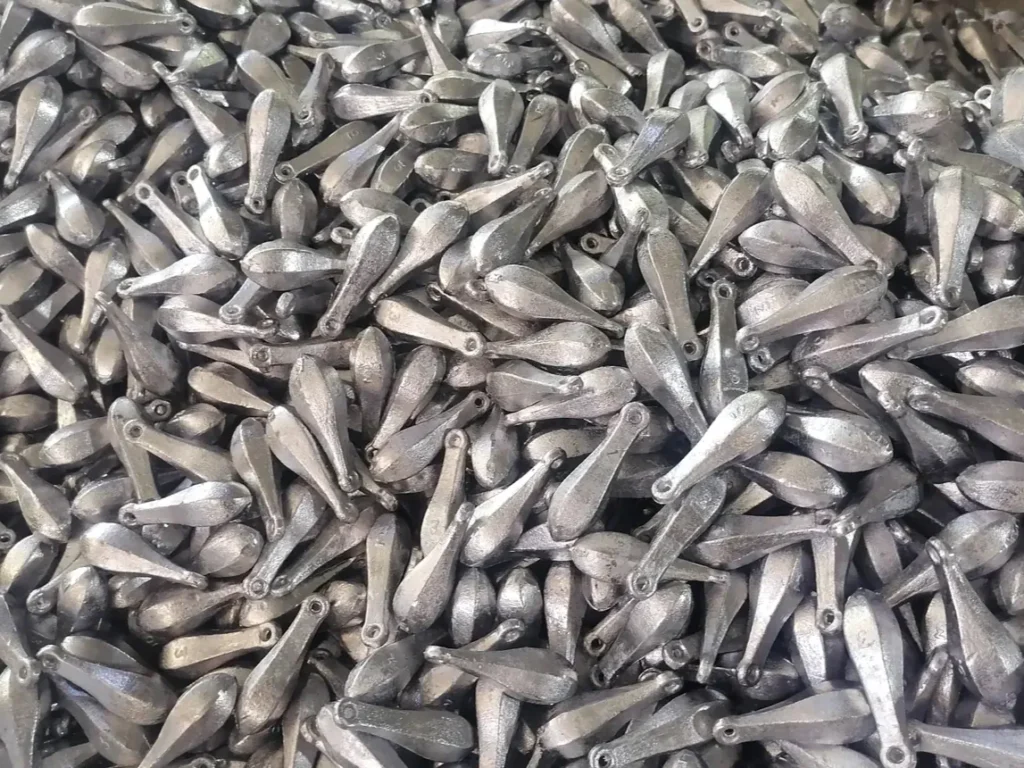
Start small, then scale
Move your top-selling items first. With a 3,000 lb minimum for sinkers, you can cover several fast-moving shapes in one order, check landed cost and quality, then add more SKUs. Dive weights start at 2,500 pcs and lead jigs at 3,000 pcs.
What Fides Fishing handles
- Casting, size stamping and batch weight checks
- Vinyl dip on request
- Packing under your brand
- Export documents and Certificate of Origin on request
- Container loading
Step-by-step: how to import fishing sinkers from Vietnam.
FAQ
Are tariffs on fishing tackle lower from Vietnam?
For the US, Vietnamese-origin goods avoid the China-specific Section 301 duties. Ask your broker for the full rate on your HTS code, usually under heading 9507.
Does quality drop when moving from China to Vietnam?
Not if you approve samples and work with a factory that makes the product itself.
How long does a first order take?
About 10 days for samples and about 30 days for production, plus transit.
Do you provide a Certificate of Origin?
Yes, on request.
Duty notes reflect our understanding as of October 2026 and are not legal or customs advice.
Request a quote for your top SKUs.
OEM Metal Jig Manufacturing in Vietnam
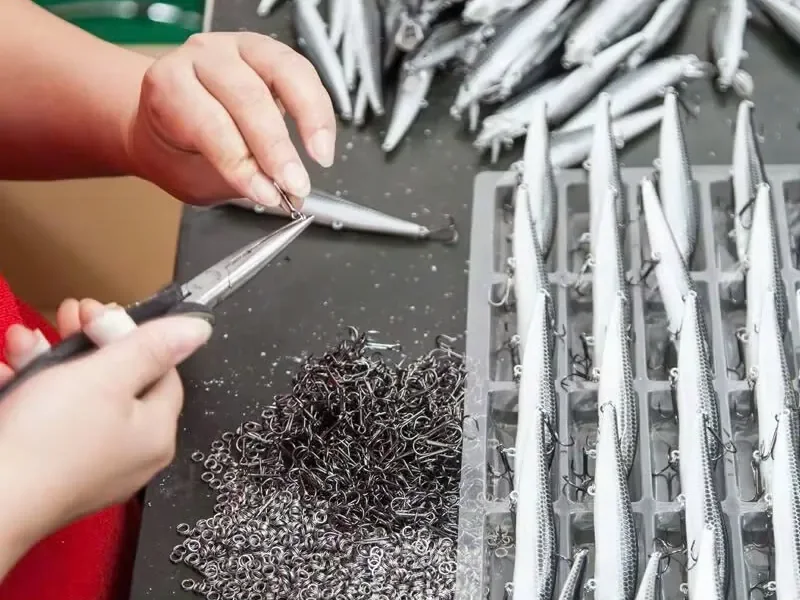
Short answer: OEM metal jig manufacturing means a factory makes jigs to your design and packs them under your brand. At Fides Fishing in Vietnam, jigs are cast in lead from 15 g to 920 g (0.5–32 oz), painted or coated in your colors, fitted with your choice of hooks and packed individually. The minimum order is 3,000 pcs and production takes about 2 months after sample approval.
OEM metal jigs at a glance
| Item | Details |
|---|---|
| Material | Lead |
| Weights | 15–920 g (0.5–32 oz) |
| Styles | Vertical speed, slow pitch, S-shape, sand eel, luminous, or your own shape |
| Finish | Paint colors, laser/reflective, luminous |
| Hardware | Hooks and rings as agreed |
| MOQ | 3,000 pcs |
| Production | About 2 months |
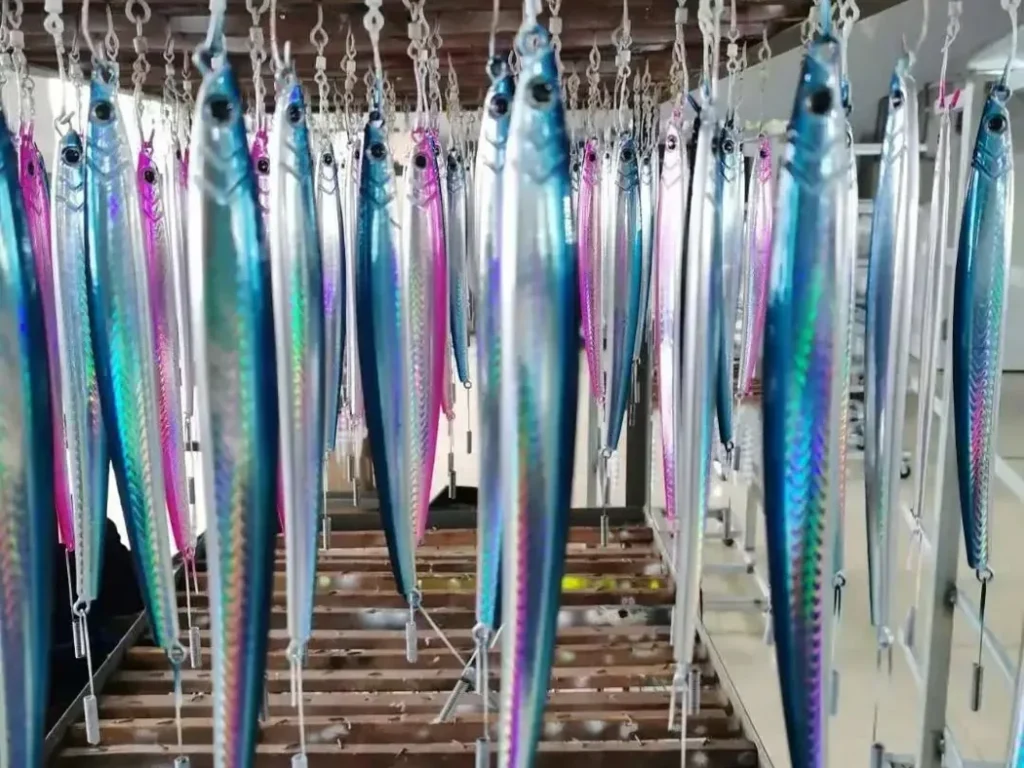
Jig styles you can start from
- Vertical speed jigs, 60–920 g
- Mini slow pitch jigs, 15–60 g
- S-shape jigs, 40–200 g
- Sand eel jigs, 60–400 g
- Luminous jigs, 100–800 g
Not sure which suits your market? See types of metal jigs.
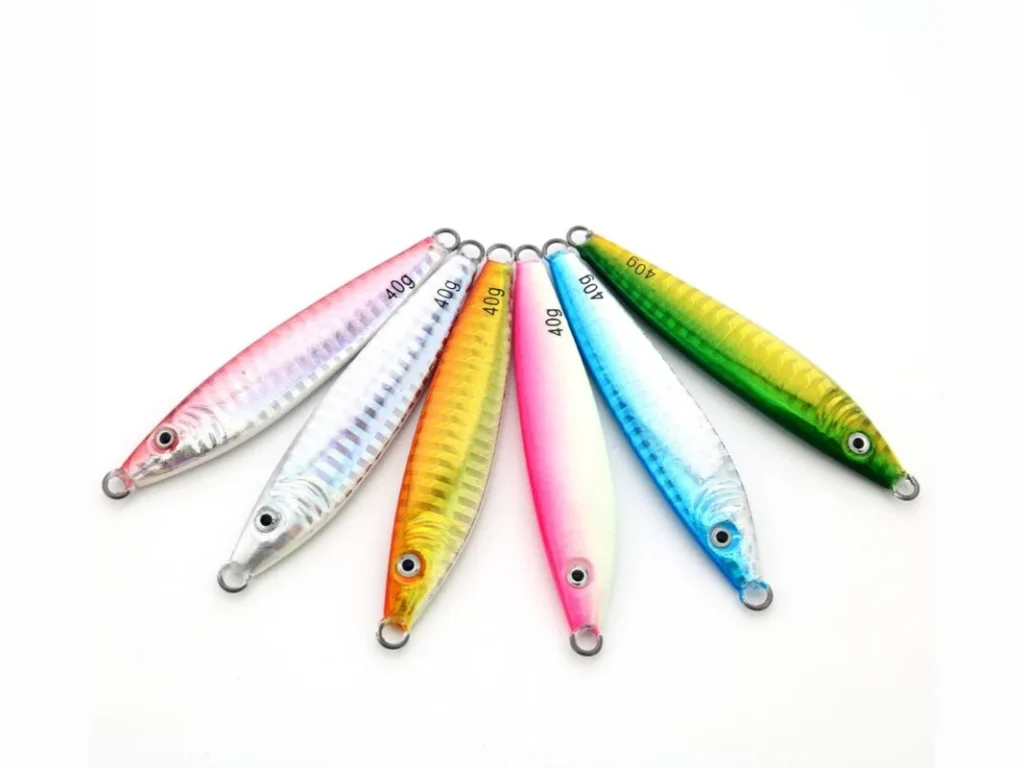
From sample to shipment
- Brief: sample, photo or drawing; weights; colors; hooks; packing.
- Samples: about 10 days for existing shapes; new shapes need an in-house mold first, quoted case by case.
- Approval: check weight, action, color and hooks.
- Production: casting, painting or coating, hooks, packing (about 2 months).
- Shipping: export documents, Certificate of Origin on request, container loading.
A week-by-week timeline is in custom lead jigs: the OEM process.
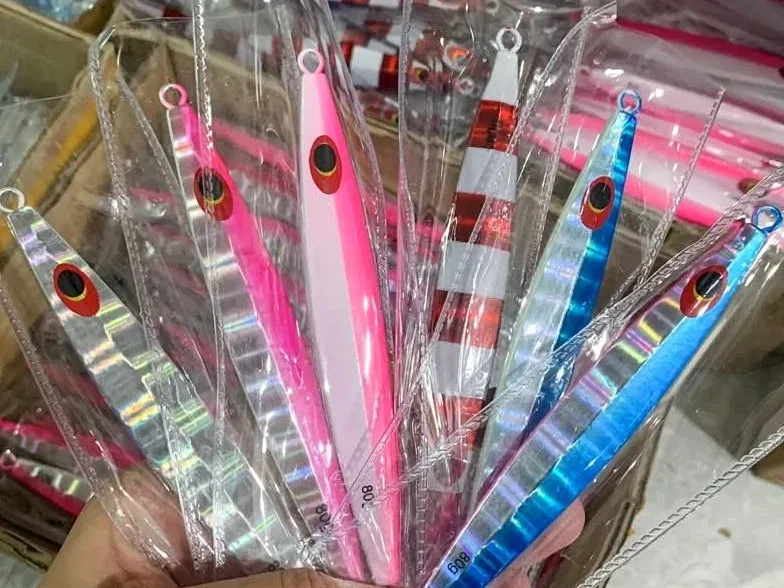
Why OEM jigs from Vietnam
- Factory-direct production with your own colors and packing
- Jigs can share a container with sinkers and dive weights
- US duty position and CPTPP access for Canada, Mexico, Australia and New Zealand; confirm rates with your broker
FAQ
What is the MOQ for OEM metal jigs?
3,000 pcs.
How long does production take?
About 2 months after sample approval.
Can you make my own jig shape?
Yes, from your sample or drawing. Please make sure you own the design or have the right to produce it.
Do you sell jig molds?
No. Molds are made in-house for production; we sell finished jigs.
Are your jigs lead?
Yes.
Request a quote with your jig design.